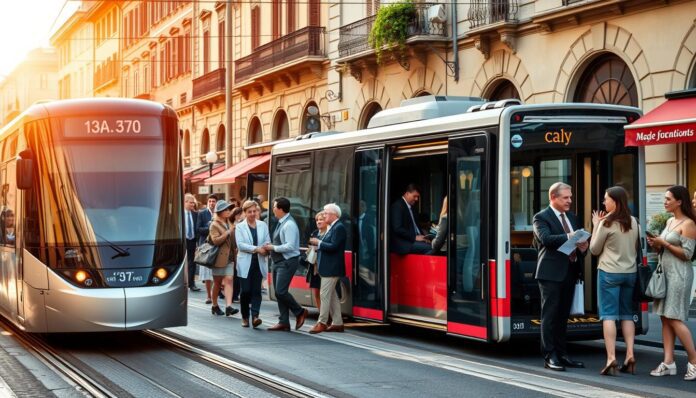
“Traveling — it leaves you speechless, then turns you into a storyteller.” — Ibn Battuta.
Italy’s transport network can feel complex at first, but it offers efficient ways to move between cities and regions. Trains dominate long-distance travel, with high-speed services and regional lines linking major hubs.
Trenitalia and private Italo run frequent departures, while state-owned RFI manages tracks and stations. City life relies on metros and buses, and ferries serve islands and coastal towns.
Apps like Google Maps, CityMapper, and myCicero help plan routes and buy tickets. Paper tickets often need validation on regional trains to avoid fines, while high-speed and InterCity journeys frequently use digital booking.
This guide sets clear expectations and practical tips so new residents can navigate services, save on fares, and choose the best way to travel between stations, airports, and coastal ports.
Key Takeaways
- High-speed trains and regional services connect most cities; know the difference before you book.
- RFI runs infrastructure; Trenitalia and Italo handle train services and schedules.
- Validate regional paper tickets; apps simplify high-speed and InterCity travel.
- Buses, coaches, and ferries offer budget options and seasonal routes to islands.
- Use travel apps and advance booking to find cheaper fares and railcard discounts.
Why public transport is the smartest way to travel in Italy
For many trips across the country, trains and local services are faster and less stressful than driving.
High-speed trains reach about 300 km/h and link major cities with frequent departures, on-board WiFi, and refreshments. These links often beat short domestic flights when you add airport transfers and check-in time.
Seven cities run metro systems that, together with buses and trams, cover dense urban cores. ZTLs and scarce parking make driving slower and pricier inside historic centers.
“Dynamic fares reward advance booking — Economy and Super Economy tickets can be far cheaper than Base prices.”
The system also supports spontaneous trips. Frequent departures on busy corridors mean they can be more reliable than taking a car, especially during peak traffic.
- Value: Advanced rail pricing lowers the ticket price for many routes.
- Comfort: WiFi, power outlets and quiet cars help productivity or rest.
- Coverage: Buses, ferries and trams extend reach to coastal and island destinations.
| Mode | Typical Advantage | When to choose |
|---|---|---|
| High-speed train | Fast, punctual, onboard amenities | Intercity routes and business travel |
| Regional train / bus | Low price, local stops | Daily commuting and short hops |
| Metro / tram / ferry | Best for city cores and islands | Urban trips and coastal connections |
| Private car | Door-to-door flexibility | Remote destinations with limited services |
Trade-offs exist: peak crowding and occasional delays. Still, the combined network often saves on tolls, fuel, and parking versus owning a car in dense cities. Integrated apps and contactless payments make planning and buying easy for newcomers.
Planning tools: the best apps and websites to map routes and buy tickets
The right apps and websites make booking trains, buses, and ferries quick and clear.
Nationalapps such as Trenitalia and Italo handle nationwide planning, ticketing, and live service updates. They show seat maps, mobile boarding references, and let users rebook when plans change.
City apps and local services
City tools cover short hops and local fares. ATM Milano supports contactless and SMS tickets. TicketAppy manages Rome ATAC bus, tram, and metro tickets. CheBateo handles Venice water routes and timetables.
All-in-one planners and comparison websites
Google Maps gives door-to-door routing across destinations while CityMapper adds live headways in covered cities.
Omio compares buses, trains, and flights so travelers can filter by price, duration, or departure time. The Trainline and Rail Europe display Trenitalia and Italo side-by-side for instant fare comparison.
ItaliaRail offers an English UX, multi-currency checkout, and seat-mapping for larger groups who need to buy tickets in one booking.
- Download Trenitalia and Italo for real-time train updates and quick rebooking.
- Save “home” and “work” to speed checkout and get commute alerts.
- Enable push notifications to catch platform changes at busy stations.
- Cross-check departure boards at the station before boarding.
“Using official apps plus one comparison website covers most travel planning needs.”
Understanding Italy’s train system: high-speed, InterCity, and regional options
Understanding how the rail tiers stack up helps pick the fastest or most budget-friendly way between destinations.
Le Frecce and Italo form the top tier. Le Frecce (Frecciarossa, Frecciargento, Frecciabianca) and Italo reach up to 300 km/h. They offer multiple classes, onboard WiFi, power sockets, quiet coaches, and a buffet or trolley service. Reservations are mandatory and fares vary by booking time.
InterCity vs. regional services
InterCity trains link medium and long routes. They usually have two classes, power sockets, and light refreshments. InterCity is slower than high-speed but skips more stops than regional services.
Regional (R/RV) trains focus on local access. They stop frequently, are basic, and often lack WiFi. Paper tickets must be validated before boarding; seats are first-come.
Night options and practical tips
Intercity Notte offers overnight journeys with seated cars, couchettes, and sleepers on selected corridors. These run on major night routes and are handy for saving daytime travel time.
- No strict luggage weight limits, but pack manageable bags.
- Over 2,000 stations connect secondary hubs via regional routes.
- Compare Trenitalia and Italo for schedule and fare flexibility during peak time.
“Choose high-speed for cross-country trips, InterCity for direct mid-range links, and regional trains for short or local hops.”
Train tickets, prices, and how dynamic fares work
Dynamic pricing means the same service can cost very different amounts depending on when one books. Travelers should learn fare tiers and booking windows to save money and avoid surprises.
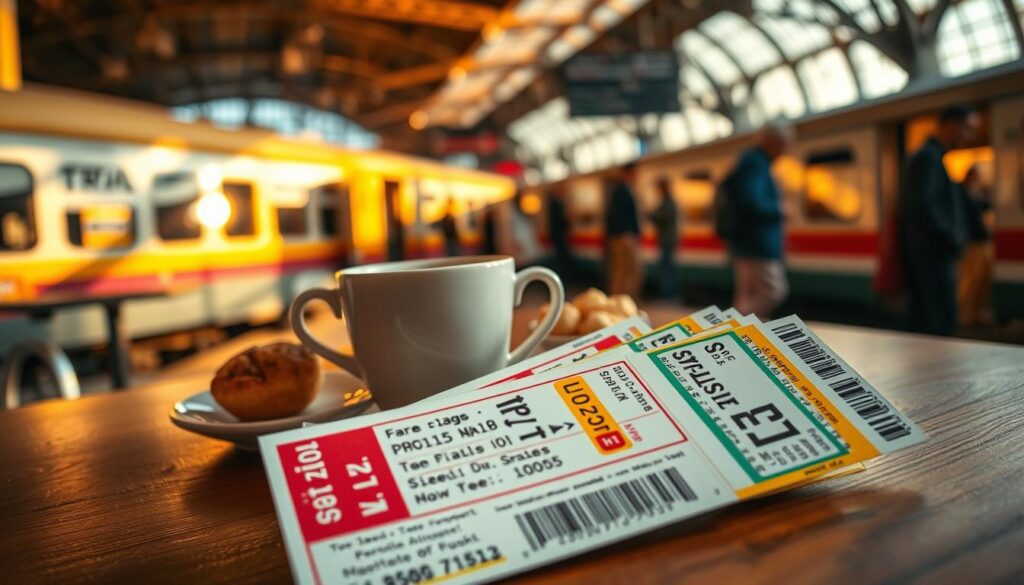
Fare tiers and what they allow
Base fares are fully flexible on high-speed and InterCity lines. They allow changes and refunds with few penalties.
Economy and Super Economy are discounted advance fares. They offer lower prices but limit changes or refunds.
Speciale Frecce is an ultra-low option that usually requires booking 14+ days ahead and has no refunds or changes.
When to book and who gets discounts
Booking opens about four months ahead, though windows can shrink near mid‑June and mid‑December timetable changes.
Children under 4 travel free; kids up to 15 get reduced rates on national trains. Groups of 3–5 can use Insieme fares. Regional lines use fixed Ordinaria fares with broader availability.
All seats on high-speed and InterCity trains are reserved, so last-minute buys can be costly or sold out.
| Fare type | Flexibility | Best use |
|---|---|---|
| Base | High flexibility | Last-minute or uncertain plans |
| Economy / Super Economy | Limited changes/refunds | Advance bookings to save |
| Speciale Frecce | No changes/refunds | Book 14+ days for lowest price |
| Ordinaria (regional) | Fixed fare | Local trips and commuters |
Italo uses yield management similar to airlines, so comparing operators can uncover better deals. Sign up for alerts and check weekday versus weekend demand to time purchases on busy corridors.
Train timetables, maps, and departure boards: where to find reliable information
Knowing where to check live train times saves delays and missed connections.
For up-to-date schedules, the Trenitalia site and ViaggiaTreno tool are the go-to sources for real-time platform updates and disruption alerts. ItaliaRail lists timetables and corridor maps for planning longer journeys.
The Trainline and Rail Europe aggregate multiple operators, including Italo, so they are useful to compare routes, prices, and itineraries in one search.
- Check Trenitalia and ViaggiaTreno for live platform changes during disruptions.
- Remember that timetable blocks load by type: high-speed often appears first; InterCity, regional, and night services follow near seasonal changes.
- Bookmark network maps and save favorite routes in apps for quick lookups and alerts.
- Verify platforms on the departure board at the station even if an app shows a number.
“Carry a paper timetable or use station posters as a backup when mobile data is limited.”
Navigating stations and services: from ticket offices to luggage storage
Big stations double as service centers where travelers can sort tickets, stash luggage, or grab a quick meal.
Major hubs such as Milano Centrale, Roma Termini, and Firenze SMN host cafés, shops, toilets, information desks, left-luggage offices, and select lounges.
Self-service machines are the fastest option for most train purchases and seat reservations. They accept cards with PINs; keep cash handy for smaller kiosks. Queues at a staffed ticket office can be long, so use staff when you need complex changes.
Boarding and last-minute help
Boarding often opens up to 40 minutes before departure at origin stations. Arrive early to secure space for a large bag and to settle in.
Servizi last minute desks on the concourse can change or sell tickets within the half-hour prior to departure. Check the departure board for final platform confirmation; last-second switches are common during busy times.
- Follow signage to binari (platforms) and verify the board before you go.
- Store large bags at left-luggage offices when sightseeing between connections.
- Use lounges only with eligible tickets or membership cards for quieter waits and sometimes free WiFi.
“Keep valuables secure and be cautious around busy escalators and ticket machines.”
| Facility | What to expect | When to use |
|---|---|---|
| Ticket office | Staffed help for complex bookings and refunds | Group fares, changes, language help |
| Self-service machines | Fast card payments, reservations, print or e-tickets | Solo travelers and quick buys |
| Left-luggage | Short-term lockers or staffed counters | Sightseeing between connections or overnight storage |
| Last-minute desk | Concourse counter for urgent sales/changes | Within 30–40 minutes of departure |
Ticket validation and onboard etiquette: avoiding fines and hassles
Validating tickets and following simple onboard rules keeps journeys smooth and avoids fines.
Paper tickets for regional trains must be stamped in the yellow or green validation machines before boarding. Look for machines near station entrances and on platforms, and allow extra time during rush hour to avoid last-minute stress.
High-speed and InterCity e-tickets are linked to a specific train and usually do not require stamping. Still, keep e-tickets ready offline or as screenshots in case mobile data drops in tunnels or rural stretches.
If a conductor finds the wrong fare, passengers typically pay the difference plus a penalty (examples: about €8 extra for a wrong ticket and roughly €50 if traveling without a ticket). Be prepared to show ID on some long-distance services and to sit in the reserved carriage and seat shown on the booking.
“Polite behavior and clear tickets help everyone board faster and enjoy the service.”
- Store luggage in racks without blocking aisles and keep calls brief and quiet.
- Stand clear of doors at intermediate stops and let people alight before you board.
- Keep a small trash bag and use onboard bins; restrooms vary by train and may need patience.
- If problems arise, speak calmly with staff or the conductor — they can resolve seating or ticket issues.
| Issue | What to do | Typical outcome |
|---|---|---|
| Unvalidated regional ticket | Stamp ticket at nearest machine before boarding | Avoid fine; valid travel |
| Wrong fare or class | Show ticket and ID; pay difference if requested | Pay ~€8 plus admin or correction |
| No ticket | Buy from conductor or station office if possible | Possible full fare + fine (~€50) |
| E-ticket connectivity issue | Present offline screenshot or printed copy | Accepted; avoids delay |
City and regional buses: routes, ticket options, and real-world timing
Local buses handle short hops, connect suburbs to stations, and fill gaps where rail options are sparse.
Where to buy tickets: City bus tickets are sold at tabaccherie, newsstands, kiosks, and via official apps. Many places also offer SMS or contactless buying. Validate paper tickets on board at the machine to avoid fines.
Typical service hours run from about 06:00 to 23:00–00:00. Several cities operate night services on weekends; check local apps for last departures and route changes.
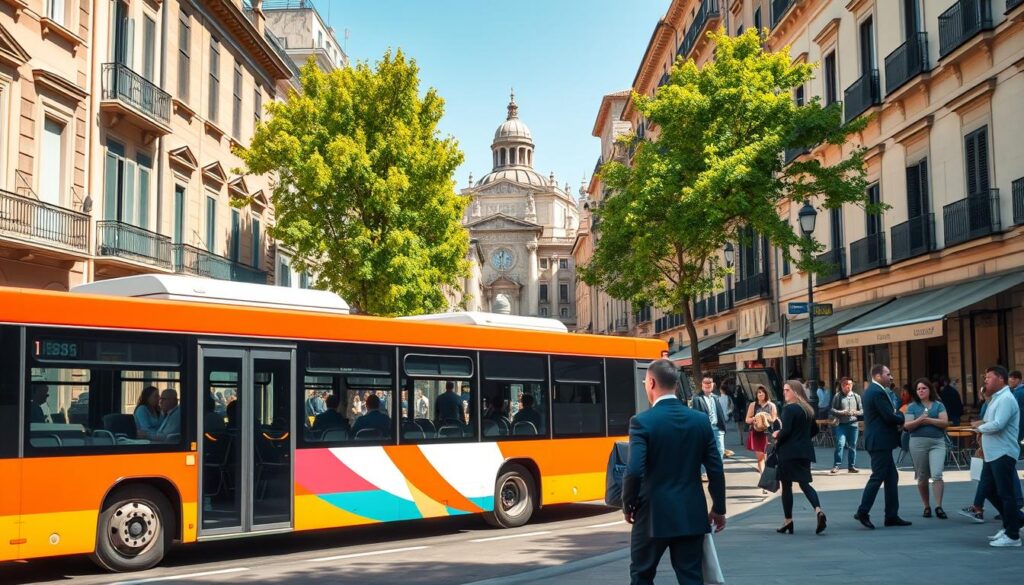
Autostazioni sit near main train stations and provide central ticketing, electronic departure boards, and shelter for regional departures.
- Traffic in dense cores can slow buses — allow extra time at rush hour and consider metro or tram alternatives.
- Regional coaches often run faster between nearby towns with fewer stops and lower price than multi-leg rail.
- Look up local operators (ATM, ATAC, ANM, GTT) for network maps, fares, and disruption alerts.
- Common passes (abbonamento) offer monthly or annual savings; concessions exist for youth and seniors.
“Buy ahead where possible, validate on boarding, and check apps for night or event-related changes.”
Metros and trams in Italian cities: quick links across urban centers
Fixed-rail services cut travel time across dense neighborhoods and simplify transfers between stations.
Seven cities run metro systems: Brescia, Catania, Genoa, Milan, Naples, Rome, and Turin. Trams complement these networks, filling crosstown gaps and last-mile links with frequent surface stops.
Typical operating hours start around 05:00–06:00 and finish between 22:00 and 00:00. During rush periods waits rarely exceed 15 minutes, so riders should use metros and trams to save time on busy days.
Many systems use integrated tickets that cover metro, tram, and bus for a limited time. Buy fares at station machines and keep them handy for turnstiles and spot checks.
Official city apps show line status, closures, and alternative routes. Trams are also a good option for surface sightseeing: stops are predictable and accessibility is often better than on crowded buses.
Plan around the last train to avoid long waits for night buses or rideshares. Stay alert for pickpockets in busy stations and be ready for doors that close quickly during peak journeys.
“Use rapid transit during rush hours for faster, more reliable urban journeys.”
Long-distance coaches: budget-friendly journeys with modern amenities
Budget coach lines now offer amenities that let travelers work, sleep, or snack en route.
Major operators such as Flixbus, Terravision, and Miccolis run wide domestic and cross-border services. They cover frequent corridors between major cities and link to popular destinations across Europe.
Most coaches include free WiFi, power outlets, restrooms, and light refreshments. These features make long haul travel comfortable and affordable compared with last-minute rail fares.
International routes reach cities like Barcelona, Prague, and Vienna. Night rides save on accommodation, while daytime journeys offer scenic views and lower prices.
- Book via Omio or the operator app for mobile tickets and live tracking.
- Arrive early at coach bays, confirm gate numbers, and tag luggage for hold storage.
- Compare total travel time versus trains; coaches beat rail when routes are indirect or rail fares spike close to departure.
“Check baggage limits and seasonal schedules; policies and extra fees vary by company.”
Taxis, Ubers, and car services: when public transport isn’t an option
When scheduled services end or time is tight, taxis and ride apps fill the gap between stations and door-to-door destinations.
Taxis are widely available in most urban hubs and use meters that should show municipal emblems. Drivers may not speak English, so having your destination written in Italian speeds pickup and avoids confusion.
App-based booking via FREE NOW and itTaxi gives cashless payments and receipts for expense reports. Uber often integrates with local taxi fleets through itTaxi, expanding coverage in bigger cities.
- Use taxis for late nights, heavy luggage, rural gaps, or time-critical journeys.
- Confirm fixed airport rates where regulated and watch for official taxi ranks.
- Consider BlaBlaCar for flexible intercity rides that can cost less than last-minute train fares.
“Share ride details with a contact and verify plates in the app before you get in.”
Factor in traffic and ZTL limits that restrict vehicle access to historic cores. For families or lots of bags, book a larger vehicle and check for night or holiday surcharges, luggage rules, and pet policies before the trip.
Air travel within and beyond Italy: airports, airlines, and city links
Choosing the right airport transfer can save hours and reduce stress on a tight trip.
Major carriers include ITA Airways as the national carrier and regional operators like Air Dolomiti. These airlines serve varied destinations and seasonal routes, so double-check schedules before booking onward connections.
Rome Fiumicino (FCO)
The Leonardo Express runs to Roma Termini every 15 minutes. Regional FL1 trains link other stations, while several coach operators run frequent bus services to central points.
Fixed-fare taxis to the center are regulated (about €50). Buy tickets at official kiosks, apps, or machines to avoid unofficial sellers.
Milan Malpensa and Bergamo
Malpensa Express connects Malpensa with Cadorna, Centrale, and Porta Garibaldi by train. Multiple shuttle coaches (Terravision, Autostradale, Caronte, Air Pullman) add budget options.
Bergamo (Orio al Serio) relies on dedicated shuttles and local bus links for low-cost-carrier arrivals.
Venice Marco Polo and Naples
Venice offers buses, trains, taxis, and ACTV water buses to reach islands and historic zones. In Naples, travelers choose shuttles, public bus lines, taxis, or driving depending on time and luggage.
Allow extra time for baggage reclaim and security when catching trains or coaches from airport stations. Check first/last service times; for late arrivals, ride-hailing or taxis are reliable backups.
“Plan transfers with luggage space in mind and avoid peak-hour connections when possible.”
Ferries and water transport: islands, coastal towns, and lake routes
Sea routes connect major ports and remote islands, creating travel choices that complement rail and road links.
Ferries link Sicily and Sardinia to mainland ports such as Genoa, Livorno, La Spezia, Civitavecchia, Fiumicino, and Naples. Seasonal coastal services run Naples–Positano (May–September) and Salerno–Amalfi (April–October). Year‑round lifelines include Naples–Capri and Civitavecchia–Cagliari.
Ferry Hopper is a useful website to compare operators, schedules, cabins, and vehicle transport options. International sailings also reach Croatia, Spain, Corsica, Greece, and Tunisia.
- When to choose ferries: island trips, coastal sightseeing, and lake crossings where scenic value matters.
- Book early for peak summer sailings to Sardinia and Sicily; hydrofoils save time on short point‑to‑point trips.
- Check weather advisories—sea state can cancel services; build buffer time into itineraries.
- Arrive early at terminals to tag luggage, buy tickets, and complete boarding efficiently.
“Combine trains and ferries for smooth station‑to‑port transfers on longer itineraries.”
Public Transport in Italy: A Beginner’s Guide for Expats — costs, passes, and discounts
Smart use of railcards and group fares lowers the cost of many journeys and stretches travel budgets further.
Carta Verde serves young travellers aged 12–26 and gives national and cross‑border reductions. Carta d’Argento helps older people: it offers about 15% off domestic fares and roughly 25% on some international routes. Those 75+ often get free regional travel under select schemes.
Children under 4 travel free. Kids 4–11 usually get reduced regional rates, while nationwide child fares apply up to age 15. Always select the correct passenger type when booking so the discount applies automatically.
“Group options such as Insieme (3–5 people) cut per-person prices and work well for family or small-group trips.”
Practical notes: some youth and senior discounts need Cartafreccia registration; without it, special fare buckets may not appear. Discounted fares often restrict changes and refunds, so weigh flexibility versus savings.
| Card / Option | Who qualifies | Typical savings | Notes |
|---|---|---|---|
| Carta Verde | Ages 12–26 | Varies; national & international discounts | Good on Trenitalia corridors; stack with promotions |
| Carta d’Argento | 60+ (free at 75+ on some services) | ~15% domestic / ~25% international | Requires ID at checks; register for best rates |
| Insieme (group) | 3–5 people | Lower per-person price | Useful for families and friends; book together |
| City abbonamento | Monthly commuters | Large monthly savings vs single fares | Compare regional passes for best commute option |
A €60 mobility bonus exists for eligible residents under income limits; watch official portals for application windows and redemption rules. For extra savings, combine a railcard with dynamic advance fares and track flash sales on Trenitalia and Italo.
When travelling, carry ID that proves age for inspectors. This avoids disputes over discounted tickets and keeps journeys calm and predictable.
Accessibility and sustainability: what expats should know today
Travelers with mobility needs should check station features and assistance options before booking longer journeys.
The rail system and many modern stations now offer step-free access and dedicated ramps. Still, accessibility is uneven across smaller hubs and some cities. Apps and operator information pages list elevators and platform details; confirm these before you travel.
Choose newer rolling stock and high-speed trains where possible for easier boarding. Contact the station desk to request assistance, reserve accessible seating, and verify coach location relative to platforms.
Bus coverage with low-floor vehicles can be limited in places like Rome, so consider metro or tram alternatives. These options often provide more consistent step-free access and staff support.
- Minimize transfers by picking direct train services to reduce barriers and stress.
- Travel off-peak for easier boarding and quicker staff help; monitor lifts and outages via planning apps for real-time updates and services options.
- Share feedback with operators when gaps appear — reports help improve access for all people.
Shifting trips from car or short flights to rail lowers emissions and supports more sustainable travel choices.
Safety, tickets, and travel-day logistics: practical tips for smooth journeys
Travel days run smoother when paperwork, apps, and bags are prepped the night before. Organize ticket apps and save screenshots of QR codes to avoid connectivity problems. Keep reservation references for long-distance trains handy, since some services only show seat numbers and not printed passes.
Major stations get crowded; allow extra time to read departure boards and find the right platform. Use self-service machines to skip long lines and use last-minute desks only within 30 minutes of departure.
“Arrive early, validate regional paper tickets, and keep valuables close for a calm travel day.”
- Arrive 20–30 minutes early at large stations to navigate platforms and security checks.
- Validate regional paper tickets before boarding and check carriage numbers on long-distance services.
- Pack light and store the main bag on racks; keep a small day bag with valuables within sight.
- Monitor live updates for platform changes and adjust connections proactively.
- Carry small coins or cards for restrooms and vending machines, and locate left-luggage offices for hands-free sightseeing.
- Know the last metro or bus times at your destination and plan a taxi backup for late arrivals.
- Bring ID for ticket checks and ensure names match on international or overnight bookings; consider travel insurance for delays and missed connections during peak time.
How to buy tickets: apps, websites, machines, and ticket offices
A clear plan for where to buy tickets saves time at busy stations and on tight journeys.
Direct operator websites are the first stop. Trenitalia sells in euros with no booking fee, while ItaloTreno.it lists Italo fares and seat choices. These sites often show the full timetable and allow seat selection for high-speed trains.
Aggregators and third‑party services
The Trainline and Rail Europe aggregate Trenitalia and Italo inventory and accept multiple currencies for a small fee. ItaliaRail offers an English website and seat maps; it may refund its fee in some cases and can mix fare tiers for group savings.
At the station: machines and desks
Self-service machines sell regional and long‑distance tickets fast. Switch the language, pick a train, and pay with a PIN-enabled card. If a service is sold out, try adjacent departures, split tickets, or an InterCity/regional combination.
- Save traveler profiles and cards in apps to speed checkout and get platform alerts.
- Bring a backup payment method and printed confirmations in case of low battery or no signal.
- Use last-minute ticket office desks on concourses for near-departure help and changes.
“Check both operator sites and aggregators to compare prices and seat options before you buy.”
Conclusion
With a few habits, travelers can use trains, coaches, ferries, and metros to reach most places efficiently. This approach makes daily travel and weekend trips straightforward and reduces dependency on a private car. Use a strong, reliable app set and keep tickets handy.
Plan routes with Trenitalia or Italo apps, then compare aggregators like The Trainline, Rail Europe, or ItaliaRail. City apps fill last-mile needs and show live platform updates. Dynamic fares and railcards cut costs; always validate regional paper tickets before boarding.
Leverage station services, last-minute desks, and luggage storage to ease journeys. Check real-time departure boards and favor newer rolling stock for step-free access and lower emissions. Try multiple options to balance price, time, and comfort and travel with confidence.
FAQ
How do I buy train tickets online and at stations?
Tickets can be purchased via official apps and websites like Trenitalia, Italo, The Trainline, Omio, and ItaliaRail. Stations have ticket machines and staffed ticket offices (big hubs like Roma Termini and Milano Centrale). Use contactless cards or cash at machines; keep email or mobile confirmations to show if required.
What is the difference between high-speed, InterCity, and regional trains?
High-speed services (Le Frecce, Italo) connect major cities fast with reserved seats and onboard services. InterCity links medium-distance routes with fewer amenities. Regional trains (Regionale) stop frequently, have no reservations, and suit short trips between towns.
Do I need to validate tickets for regional trains and buses?
Yes. Paper tickets for regional trains and most buses must be stamped in yellow or green validation machines before boarding. Digital and timed tickets bought via apps are valid as shown on the device. Failure to validate risks fines from ticket inspectors.
How do dynamic fares work and when should I book?
Prices on high-speed services change with demand. Booking early usually secures cheaper Base, Economy, or Super Economy fares. InterCity and regional fares are fixed; night trains and special offers may have limited seats at lower prices.
Are seat reservations required on fast trains and night trains?
High-speed trains require reservations and will assign seats at purchase. InterCity and some long-distance services may also require them. Night trains often offer reserved berths for sleepers; check the fare rules before travel.
How do I find real-time schedules and platform numbers?
Use Trenitalia, Italo, ViaggiaTreno, or station departure boards for live updates. Google Maps and CityMapper also show live times. Platform numbers can change—arrive early and watch the electronic boards on the concourse.
Can I bring luggage on trains and coaches?
Most services allow suitcases and carry-ons without extra charge. High-speed trains have overhead racks and luggage areas; coaches and regional trains provide storage bays. For oversized items check company rules before travel.
What options exist for night travel between major cities?
Night trains (Intercity Notte) run on certain long routes with couchettes and sleeper cars. Buses and some low-cost coach operators also offer overnight journeys. Compare comfort, travel time, and price when choosing.
How do city bus tickets work and where to buy them?
Bus tickets are sold at tabaccherie, newsstands, station machines, and via local transport apps (ATM Milano, ATAC Rome). Validate paper tickets on board or at tram doors. Many cities accept contactless payments onboard or via mobile apps for single and day passes.
Are there passes or discounts for students, seniors, or families?
Yes. Railcards, regional passes, and age-based concessions exist. Trenitalia and private operators offer discounted fares for youth and seniors; family tickets or group discounts can lower costs. Always check eligibility and carry ID for concessions.
How reliable are long-distance coach services and which companies to trust?
Modern coach companies like FlixBus, MarinoBus, and Eurolines run intercity and international routes with WiFi and power outlets. Coaches are budget-friendly but may take longer than trains; check reviews, onboard amenities, and baggage rules before booking.
What should travelers know about station facilities and left-luggage services?
Major stations offer cafés, toilets, info desks, lounges, and luggage storage (left-luggage) services. Smaller stations have limited amenities. Left-luggage is usually paid by day and available at main hubs; verify opening hours in advance.
How do airport-city links work for Rome, Milan, and Venice?
Rome Fiumicino has the Leonardo Express train and shuttle buses; fixed-fare taxis service the city center. Milan Malpensa connects by Malpensa Express and shuttle buses; Bergamo (Orio al Serio) uses dedicated shuttles. Venice Marco Polo links by bus and water taxi; Venice also offers public vaporetto lines from Piazzale Roma.
Are metros and trams a better option for city travel?
Metros and trams provide fast inner-city connections in Rome, Milan, Turin, Naples, and other cities. They avoid traffic and often run frequently. Combine them with buses or regional trains for door-to-door journeys.
What are key tips to avoid fines and travel smoothly?
Validate tickets, keep IDs and confirmations, arrive early for platform changes, and store luggage securely. Be aware of pickpockets in crowded stations. Follow onboard etiquette like giving up priority seats and keeping noise low.




This post is really informative