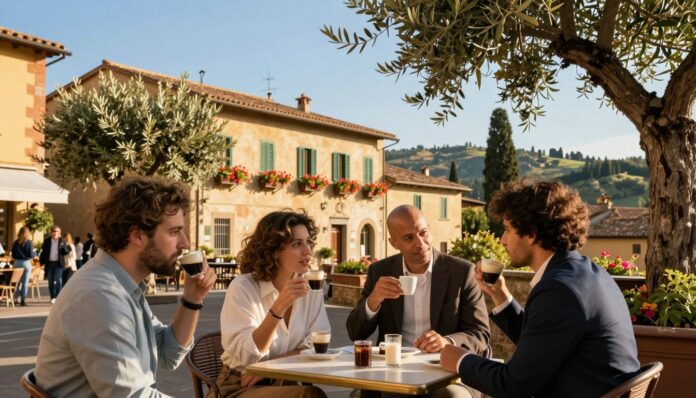
Italy draws millions, but the picture is mixed. ISTAT reports 5.3 million foreign citizens in 2024, yet surveys show low salaries, heavy bureaucracy, and patchy digital services.
You’ll get a candid view of what daily life feels like beyond postcards. This guide covers culture, nightlife, and the routine hurdles you’ll face as expats settle here.
Expect practical details: realistic costs, job prospects, healthcare steps, and where paperwork slows you down. We use data points like Numbeo and Mercer so you can benchmark budgets and choices.
Whether you’re weighing city vs. small town or north vs. south, this country offers big perks and clear trade-offs. Read on to plan your move and start your life here with fewer surprises.
Key Takeaways
- Italy attracts many foreigners but ranks low on job security and digital access.
- Expect bureaucracy; plan timelines for visas and paperwork.
- Benchmark costs with Numbeo and Mercer when budgeting.
- Balance lifestyle perks with realistic job and housing prospects.
- Choose location carefully—city, town, north, or south shapes daily costs and quality.
La dolce vita, beyond the postcard: what life really feels like for expats
Everyday life balances lively rituals and real administrative friction. You will enjoy long lunches, evening strolls, and strong neighborhood ties. These rituals give you time for aperitivi and family.
At the same time, traffic, queues, and paperwork can test your patience. Italians top the OECD work-life balance index and only about 3% work very long hours, far below the OECD average. Many firms remain family-run and hierarchical, which shapes office dynamics.
The good, the bad, and the bureaucracy
- Charm: daily rituals reward patience and help build local bonds.
- Community: people prioritize family and face-to-face ties, easing integration once you show up regularly.
- Practical friction: slow administrative timelines and mixed digital services mean you must plan extra time.
Work-life balance vs. day-to-day frustrations
You’ll find standout time for family and leisure alongside slow office hours. Multi-hour lunches and restricted business hours can delay paperwork.
To get things done, bring organized documents, arrive early, be polite but persistent, and ask locals for the quickest way through a process.
| Aspect | Typical experience | Tip | Impact on your time |
|---|---|---|---|
| Social rhythm | Long meals, café culture | Join local gatherings | More free time |
| Bureaucracy | Slow queues, complex forms | Bring copies, translations | Allow buffer days |
| Work culture | Hierarchical, family firms | Respect customs, network | Adapt communication |
| Language | Helpful for faster service | Learn basic phrases | Saves time |
Cost of living in Italy: what your money really buys
A practical budget snapshot helps you see how costs shift by city and household size.
Monthly budgets: families vs. singles, with and without rent
Numbeo places monthly expenses for a family of four (excluding rent) near €3,000. Use that as your baseline and add local rent to estimate total outlay.
North vs. south, and top cities
Milan and Rome rank higher on Mercer’s 2023 list (Milan 49, Rome 59), so expect city premiums. Secondary cities and many southern areas are cheaper. The north usually costs more than the south for housing and services.
Hidden costs to plan for
- Utilities: older buildings can push bills up.
- Transport: monthly passes, fuel, or parking fees add up.
- Connectivity: mobile and internet bundles vary by provider.
Practical tips: negotiate lease terms, bundle services, and set a 10–15% contingency for deposits, fees, and furnishings. On average the country’s consumer prices (including rent) are about 31.5% lower than the U.S., but top city choices raise your total quickly.
Housing in Italy: rent, buy, or chase €1 homes
Choosing between short-term rent, a mortgage, or a €1 fixer has big financial and legal consequences. Start by matching your timeline to common lease types and expected costs per square meter.
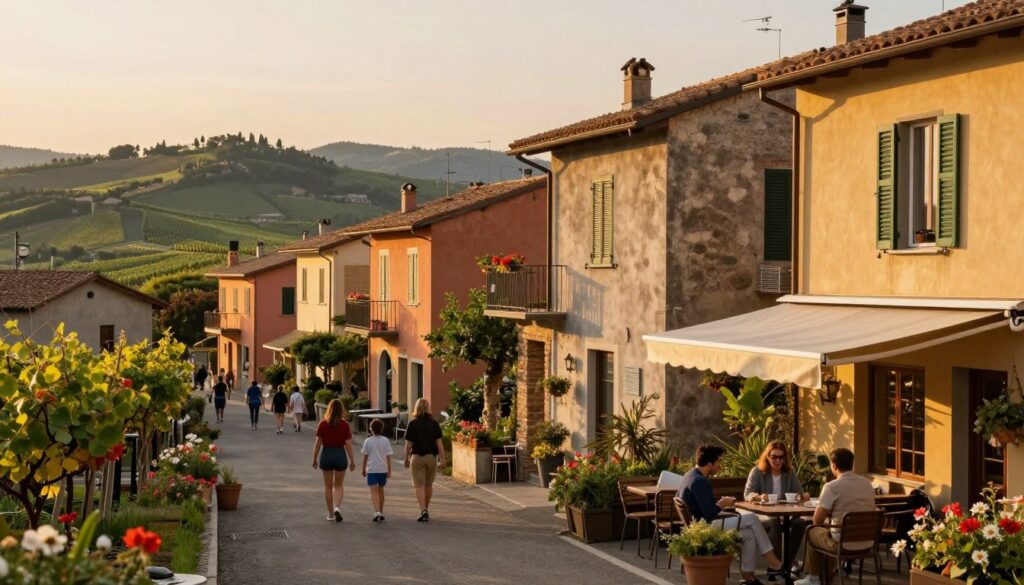
Average rents, lease lengths, and tenant rights
Average rent runs near €13.38/m², with Milan and Lombardy far pricier than Campania or Piedmont.
Temporary leases for non-residents can stretch to 18 months. Standard contracts usually last 3–4 years. Breaking a contract often costs penalties and unpaid months.
Buying property: reciprocity rules, mortgages, and fees
EU/EEA nationals have parity with citizens. Others need reciprocity unless you become a tax resident.
Mortgages typically finance about 70% of the price. Minimum loans often exceed €50,000, with terms from 5–30 years. Budget for application fees, a surveyor, mortgage taxes, insurance, and translation costs.
€1 homes explained: renovation obligations and timelines
€1 schemes attract buyers but carry strict renovation schedules and extra costs (local taxes, utilities, agency fees).
“Fail to meet the renovation deadlines and the property can revert to the municipality.”
| Option | Typical cost factor | Key documents | Main risk |
|---|---|---|---|
| Short-term rent | €13.38/m² (avg) | ID, codice fiscale, proof of income | Higher monthly cost, short notice |
| Buy | €2,043/m² (avg Mar 2024) | Notary, tax records, mortgage approval | Closing fees, reciprocity rules |
| €1 home | Low purchase price, high renovation cost | Local contracts, renovation plan | Reversion if timelines missed |
Practical tips: pick lease length that fits your plans, collect documents early, and consult a notary and mortgage advisor to align purchase costs and tax obligations across the country.
Best places to live: cities, towns, and coastal escapes
Pick a base that matches your daily rhythm: urban buzz, coastal calm, or a historic town. Your choice will shape commute times, school options, and weekend plans.
Rome: culture, international schools, and big-city energy
Rome hosts roughly half a million immigrants and offers robust international school options. Museums, landmarks, and lively nightlife give you many weekend choices.
If you need global services and schools, this is a practical place. Expect bigger crowds and higher rents near central neighborhoods.
Milan: careers, higher costs, and nightlife
Milan ranks as the costliest city (Mercer 2023 #49) but drives careers in fashion and finance. You’ll find more job openings and late-night social life here.
Plan for higher housing and daily costs compared with cities like rome and many mid-size hubs.
Florence: walkability and art with village vibes
Florence feels like a large village: walkable streets, low crime, and abundant art. It costs more than many cities, but the compact layout saves time on commuting.
Bologna and Trieste: safety, affordability, and quality of life
Bologna combines a student-friendly vibe, strong food culture, and good safety. Trieste is known for seaside charm, affordability, and a relaxed café scene with English-friendly locals.
- Match your priorities—commute, green space, schools, and nightlife—when you compare towns and cities.
- Use short-term stays to test neighborhoods before signing a long lease.
“Try a neighborhood first; daily routines reveal the real pros and cons.”
Final tip: weigh costs against lifestyle and pick the place live that fits your daily needs and future plans.
Visa and permit pathways to move to Italy
Start by matching your purpose to the correct visa category — it shapes everything that follows.
EU citizens can live and work without a visa. Non-EU applicants must apply for a visa tied to their intent: work, study, retirement, or self-employment.
Work visas: employer sponsorship and quotas
Work visas usually require an employer’s invitation and company paperwork. Many roles need quota clearance from authorities.
Tip: secure the job offer and employer documents before you apply to avoid delays.
Elective residency for retirees
Elective residency asks you to prove stable income, housing, and private health insurance. It does not grant work rights but allows long-term stay.
Student and self-employment options
Student visas need admission letters and proof of funds. Self-employment visas cover freelancers and entrepreneurs with specified permits and supporting contracts.
Health insurance requirements tied to visas
Private health insurance is often mandatory for visa issuance and while you wait for public coverage. Arrange policy details early and keep receipts for your application.
“Prepare key documents and map post-arrival steps so you can activate residence, a permesso di soggiorno, and healthcare access fast.”
- Prepare evidence early: contracts, proof of funds, housing.
- Budget for insurance: private coverage until SSN-based care starts.
- Plan timelines: appointments, translations, notarizations, and permesso di soggiorno.
Working in Italy: jobs, sectors, and workplace culture
Jobs cluster around a few strong industries, so strategy matters more than luck. Italy ranks among the world’s top economies, and that shapes where demand appears.
Where to look and which sectors hire
Tourism and English education remain common entry points for newcomers. Skill shortages show up most in healthcare, IT, and engineering, plus niche trades like woodworking and traditional weaving.
Target major metro hubs first; a city job market concentrates openings and resources.
Networking, speculative applications, and recognition
Many roles fill through relationships rather than posted ads. You’ll benefit from networking, referrals, and speculative applications that show persistence.
Use CIMEA to check how your degrees and licenses map locally. Recognition can determine whether you qualify for regulated roles.
Daily schedules, hierarchy, and expectations
Typical hours run roughly 8/9–13 and 15–18/19 with a long lunch pause. Family-run firms often keep a clear hierarchy; respect and patience go far.
“Negotiate contracts carefully and confirm hours, overtime rules, and benefits before you sign.”
- Tip: focus first on sectors with demand, then expand once you build local contacts.
- Tip: clarify qualification recognition early to avoid setbacks.
- Tip: expect relationship-driven hiring and adapt your outreach accordingly.
Salaries, contracts, and tax: how your take-home pay stacks up
How much you actually keep from each paycheck comes down to contracts, taxes, and regional costs. Start by comparing offers to sector norms and total compensation, not just the headline salary.
Wages and sector agreements
There is no statutory minimum wage. Pay is set through CCNL collective agreements for each sector. Use those benchmarks to judge base pay, overtime rules, and typical benefits like meal vouchers or a 13th month.
Taxes and deductions
Personal income tax is progressive, roughly 23%–43%. Common deductions include family credits, medical costs, and mortgage interest. Model net pay with these items to see how take-home changes.
Unemployment and job signals
Unemployment sits near 6.5% (Feb 2024) with youth around 22.8%. These trends affect mobility, bargaining power, and how valuable specialized skills are.
- Check contract type: probation, notice, and fixed-term rules matter.
- Include extras: 13th/14th pay, bonuses, and subsidies in comparisons.
- Plan tax timing: file correctly and keep receipts to optimize refunds.
| Factor | Typical range / note | Why it matters |
|---|---|---|
| Average gross | ~US$44,893 (OECD 2022) | Helps benchmark offers |
| Tax bands | Approx. 23%–43% | Determines net pay |
| Unemployment | 6.5% overall; youth 22.8% | Signals market tightness |
| Benefits | 13th/14th mo., vouchers, transport | Boosts total compensation |
Healthcare system and health insurance for expats
Your access to clinics, hospitals, and quick appointments depends on a few key enrollment steps.
How the SSN works and what it covers
The SSN provides universal coverage to residents. Hospitals and clinics are funded through taxes so many core services are low-cost or free.
You can access primary care, emergency care, and many specialist visits once you register with the local health authority and pick a medico di base.
Why many people keep private insurance
Wait times for specialists can be long, especially outside major centers. Private plans speed access, often include direct billing, and make English-speaking appointments easier.
Tip: consider a short-term private plan while you complete residency and SSN registration.
Enrollment timing, documents, and choosing providers
Register as soon as you have residency, codice fiscale, and ID. Employments or student status help speed some registrations.
- Bring proof of residency, ID, and codice fiscale to the ASL office.
- Compare private plans for network breadth, abroad coverage, and direct billing.
- Choose a family doctor quickly; they manage referrals and routine care.
| Step | Typical time | Key documents | Why it matters |
|---|---|---|---|
| Temporary private cover | Immediate | ID, travel insurance | Short waits and language support |
| SSN registration | Days to weeks | ID, codice fiscale, residency proof | Grants access to public services |
| Choosing medico di base | Same day to few days | SSN card, ID | Needed for referrals and prescriptions |
“Combine public coverage with supplemental insurance to manage wait times and ensure care on your timeline.”
Education and family life: schools, childcare, and raising kids
Families need a clear map from kindergarten through upper secondary to plan schooling well. Public education is free up to secondary school and follows distinct tracks that shape study or work paths.

Public tracks and language support
The school system splits into Liceo, Istituto tecnico, and Istituto professionale. Liceo emphasizes theory—humanities, sciences, arts, and languages. Istituto tecnico blends theory with internships in fields like economics, technology, and tourism.
Istituto professionale trains students for practical trades and direct work entry. Since 2019, climate change and sustainability topics appear across curricula.
International and private options
Major cities offer many international and private schools, with Rome and Milan leading the choices for continuity of curriculum. These schools help globally mobile families keep academic progress steady.
Practical points for families
- Map school routes and transport so daily life stays manageable.
- Arrange language support if a child is new to Italian; many programs provide bilingual help.
- Visit campuses and meet teachers before committing.
- Plan extracurriculars—arts, sports, and local history tours—to deepen ties with the community and local places.
“Track choices influence whether a student aims for university or moves straight to the workforce.”
| Stage | Main focus | Family action |
|---|---|---|
| Primary | Foundations, language support | Enroll early; assess Italian help |
| Lower secondary | Core subjects, orientation | Attend open days; track guidance |
| Upper secondary | Liceo/tecnico/professionale | Choose based on university or job goals |
Use local people and school counselors to learn about neighborhood options and fees. This will help you find the right places for your child to thrive.
Culture, language, and social life: integrate with confidence
Food, words, and small rituals are the fastest routes to local trust. Your daily routine will shape how quickly you feel at home. Start simple and build habits that connect you to neighbors and coworkers.
Speak Italian: dialects, apps, and daily practice
You’ll use lessons, apps, and short conversation sessions to speak italian for errands and appointments. Aim for phrases that cover transit, shopping, and health visits.
Regional dialects vary widely. Listen, ask for repetition, and use context to bridge gaps when you speak english. Patience and small corrections will pay off.
Food culture, relationships, and making local friends
Meals are social glue. Shared food and after-work gatherings often lead to invitations that grow into real friendships.
Pro tip: accept local invites, offer to bring something, and show curiosity about traditions. That shows respect and speeds trust.
- Build a short daily practice: 20 minutes of study and one real chat weekly.
- Join language exchanges, volunteer groups, or clubs to meet locals beyond other newcomers.
- Plan buffer time for social calls, long lunches, and spontaneous visits.
| Area | Action | Benefit |
|---|---|---|
| Daily routine | Lessons + app practice | Faster basic communication |
| Dialect handling | Listen, mirror phrases | Better comprehension locally |
| Social ties | Shared meals, clubs | Deeper networks and trust |
Banking, paperwork, and everyday systems
Set up your paperwork early—these admin steps unlock everyday services fast. Start by gathering IDs and proof of address so you can move through each office smoothly.
Codice fiscale: why you need it on day one
You’ll apply for a codice fiscale immediately. This tax ID is required for rentals, utilities, mobile service, and opening a bank account.
Get it before you sign contracts so landlords and providers can process your requests without delays.
Opening a bank account: documents and account types
Banking usually requires an in-person visit. Bring your passport, proof of address, residence card or work contract, and tax number.
| Account type | Use | Notes |
|---|---|---|
| Conto corrente | Everyday payments | Debit card, direct debits |
| Joint account | Shared expenses | Good for partners or roommates |
| Conto di risparmio / deposito | Savings | Higher interest options |
Dealing with bureaucracy without losing time
- Keep certified translations and copies to avoid repeat visits.
- Schedule morning appointments and weekdays to beat queues.
- Use checklists for residency, healthcare, and license exchanges.
“Bring originals and copies; many steps still require in-branch verification.”
Knowing the local system and preparing documents will help you set up faster as an expat in this country.
Safety, transport, and getting around
Knowing where to stay alert and how to travel lets you enjoy each place with confidence.

The country ranks 34th on the Global Peace Index 2023. Petty theft — pickpocketing and bag snatching — is the most common issue in tourist zones. Violent crime is rare, so routine awareness usually keeps you safe.
City safety snapshots and common petty crimes
Numbeo safety scores vary: Naples 37.3, Milan 48.5, Rome 50.3, Florence 60.2.
Tip: use zipped bags, carry minimal valuables, and watch crowded transit hubs. These small routines cut risk significantly.
“Stay visible, keep valuables secure, and avoid isolated areas after dark.”
Driving, congestion, and cycling with care
Driving often means heavy congestion and occasional aggressive behavior. Learn ZTL (limited traffic) zones before you drive into a historic center.
Cycle defensively: use lights, wear a helmet, and expect narrow streets where drivers may not expect bikes.
- Calibrate habits to each city and towns you visit; tourist spots need extra care.
- Plan commutes around rush hours and choose trains, scooters, or walking based on your neighborhood.
- Learn local transport passes and regional train links for simple weekend planning anywhere in the world of Italian regions.
- Outside dense centers, a car can save time but adds parking, fuel, and insurance costs.
| Issue | Typical risk / score | Practical step | Benefit |
|---|---|---|---|
| Petty theft | High in tourist hubs | Zipped bags, minimal phone use | Lower theft risk |
| Traffic | Congestion, aggressive drivers | Avoid peak hours; use public transit | Faster commutes |
| Cycling | Narrow streets, mixed lanes | Lights, helmet, defensive riding | Safer trips |
| ZTL and parking | Fines and limited access | Check maps and permits | Save fines and time |
The best way to stay comfortable is to combine local knowledge with simple precautions. That lets you enjoy each city and place at your own pace.
living in italy expat: your moving checklist and timeline
Before you go: visas, insurance, budget, and documents
Assemble your visa documents, translated proofs, bank statements, and private health insurance before consulate appointments. Pack notarized copies and a travel plan so the process runs smoothly.
First 30 days: residence steps, SSN/healthcare, bank, phone
Prioritize codice fiscale, permesso di soggiorno application, residency registration, and opening a bank account. Get a local SIM and arrange SSN enrollment once eligible.
First 90 days: housing, networking, and language milestones
Search for stable housing—short-term leases up to 18 months are common while you test neighborhoods. Schedule weekly language practice and networking blocks to speed job searches and daily tasks.
“Treat language and local connections as core investments; they pay back fast.”
| Period | Key tasks | Tip |
|---|---|---|
| Before departure | Visa category, translations, health insurance | Book consulate early |
| 0–30 days | Codice fiscale, permesso, bank, phone, SSN steps | Bring originals and copies |
| 30–90 days | Stable lease, networking, language goals | Use short stays to test areas |
Keep a budget tracker for deposits, fees, and initial furnishings. Review progress monthly and adapt timelines if a visa appointment or document request shifts so your moving italy plan stays on track.
Conclusion
Plan around cost, healthcare, and work so your next chapter feels sustainable and rich.
Use the data here to weigh cost living options and pick a place live that matches your income and goals. Remember that Milan and Rome usually cost more, while smaller cities often offer better value and community.
Set a clear checklist: sort your visa, secure private health insurance until SSN registration, and open a bank account with organized documents. Learn to speak italian for daily tasks and rely on local networks for job leads and practical tips.
Balance culture, food, and neighborhood ties with tax and contract checks so your life in this country becomes enjoyable and sustainable.
FAQ
How do I get a visa or permit to move to Italy?
You can apply for work visas if you have a sponsoring employer or through quota calls, or seek elective residency as a retiree if you can prove sufficient funds and private health coverage. Students and freelancers use student or self-employment routes; each requires specific documentation, a clean criminal record, and proof of accommodation. Start at the Italian consulate website and prepare translations of key papers.
What monthly budget should I plan for?
Budgets vary widely. Single renters in cities like Rome or Milan should budget for rent, utilities, food, transport, and internet — often higher than smaller towns. Families need more for schooling and childcare. Include one-off costs such as agency fees, deposits, and furniture. Compare north versus south: northern cities typically cost more than southern towns.
Do I need private health insurance or will national coverage suffice?
Once you register as a resident you can join the SSN (Servizio Sanitario Nazionale) for broad coverage. Many people add private insurance to reduce wait times, get English-speaking providers, or access private clinics. For visa applications such as elective residency, private insurance is often mandatory.
How hard is it to find housing and what are tenant rights?
Rents range by city and neighborhood. Typical leases are 4+4 years for long-term rentals, with tenant protections under local law. You’ll commonly need a codice fiscale, ID, and proof of income. Expect agency fees and a refundable deposit. Buying involves taxes, notary fees, and mortgage rules; non-EU buyers may face reciprocity checks.
What are the best places to live for jobs, culture, and affordability?
Milan and Rome offer the most jobs and international schools, with higher costs. Florence provides walkability and art with a smaller-city feel. Bologna and Trieste often score well for safety, affordability, and quality of life. Coastal towns and smaller inland cities can give lower costs and quieter days.
How do taxes and take-home pay work?
Italy uses progressive income tax bands plus regional and municipal surcharges. Many sectors rely on CCNL collective agreements rather than a single national minimum wage. Your employment contract and whether you’re on a full-time or freelance regime affect deductions and net pay. Consult a commercialista (tax advisor) to optimize withholding and deductions.
Where do internationals commonly find work?
Popular sectors for foreigners include tourism, education (language schools, international schools), healthcare, IT, and engineering. Networking, speculative CVs, and local job sites help. Recognition of professional qualifications can take time; contact the relevant Italian professional body for accreditation steps.
How does schooling work for children?
Public schools follow tracks like liceo, tecnico, and professionale and teach in Italian. Major cities offer international and private schools with English curricula. You can enroll your child in local schools, but be prepared for language support needs and differing academic structures.
What documents do I need on arrival?
Bring your passport, visa (if issued), birth and marriage certificates (with apostille if required), proof of accommodation, and bank statements. One of your first administrative steps is getting a codice fiscale, needed for contracts, banking, and healthcare registration.
How do I open a bank account and what’s required?
Banks ask for an ID, codice fiscale, proof of address, and proof of income or employment. You can open a basic conto corrente for daily banking or an international account if you move funds frequently. Compare fees for transfers, ATMs, and online banking features.
How do you handle Italian bureaucracy without constant frustration?
Be patient, book appointments online when possible, and bring originals plus copies. Learn key Italian phrases or hire a local assistant for complex steps like residency, tax, or property purchases. Using municipal (comune) websites and certified email (PEC) streamlines some processes.
Is it safe to live in Italian cities and how is public transport?
Most cities are safe, though petty theft can occur in tourist areas and on public transport. Public transit networks in large cities are extensive; driving brings traffic and ZTL restricted zones. For shorter distances, many cities are bike- and walk-friendly but exercise caution in traffic.
What about language — how quickly will I need to learn Italian?
Speaking Italian opens more job options and deeper social ties. Start with everyday phrases and apps, join classes, and practice with locals. Dialects vary by region, but standard Italian suffices for most official and social situations.
What hidden costs should I prepare for?
Account for utilities, condominium (condominio) fees, internet, TV license (Rai TV tax), municipal waste and residency-related fees, and maintenance on older properties. Renovation costs for specialty projects like €1 homes can exceed initial estimates.
How long does it take to register for healthcare and other services?
After securing residency, you can register with the SSN; timelines vary by region and office availability. Getting a tax code and a bank account can be done quickly if you have documents ready. Expect a few weeks to a couple of months to complete all first-30-day tasks.
Are there communities or resources for newcomers?
Many cities host international meetups, language exchanges, and online Facebook groups. Look for local chambers of commerce, residency support services, and cultural associations to meet people and access practical resources.