
Surprising fact: living in Italy can be 30%–70% cheaper than in the U.S., driven mainly by lower housing and health insurance.
You will use real 2025 numbers to plan your first month and year and avoid costly surprises.
National household spend averaged €2,728/month in 2023 and is projected at a minimum €2,810/month in 2025 after inflation. Regional averages vary: North ~€2,965, Center ~€2,953, South ~€2,234.
Expect average rent near €13.90/m²; an 81 m² apartment runs roughly €1,125/month. Healthcare is largely public with near-universal coverage; many expats report about €135/month in health outlay and annual insurance near €748 plus prescriptions.
This guide shows how prices shift by city and by time, what big-ticket items you must budget for, and how food, a bottle at a shop versus a bar, and housing shape your expenses.
Key Takeaways
- Use real 2025 benchmarks to plan your first month and year.
- Smaller towns and the South usually cost much less than large metros like Milan.
- Housing, healthcare, utilities, and transport are the biggest budget items.
- Average rent and national spending figures help you set realistic expectations.
- Compare expat budgets to national averages to fine-tune your plan.
Why you’re here: turning your Italy dream into a monthly budget
You want a simple per month plan that matches real numbers, not wishful guesses. Cost living italy is about translating lifestyle choices into budget targets you can test and adjust.
A couple in Parma or Sicily reports about €1,700 per month for two. In larger, tourist-heavy cities like Milan or Florence, add roughly €600.
National benchmarks help. In 2023 households averaged €2,728/month and you should plan at least €2,810 for 2025 to allow for inflation and setup fees.
Use the checklist below to shape your first months:
- Anchor your plan to real spend data and what people in each region report.
- Choose big-city energy or small-town calm based on how each affects your quality and monthly costs over time.
- Budget setup buffers for rent deposits, registration, and short-term contracts that hit early.
- Decide how much to allocate to healthcare and whether extra coverage matters for you.
- Set measurable checkpoints each month to refine your plan as you settle and learn local prices.
cost of living italy: 2025 overview and what you’ll spend per month
Use 2025 benchmarks to see what a typical household will spend each month and where your money goes. Below you get clear category averages, regional ranges, and a few real expat snapshots to help you build your monthly plan.
National averages in 2025: typical household spending by category
Plan for at least €2,810 per month as a realistic minimum in 2025. National category averages: housing & utilities €982, food & drink €525, transport €289, healthcare €117, restaurants €155, internet €74, and other items rounding the total.
How costs shift by region: North, Center, South monthly ranges
The North and Center average near €3,000 monthly (North €2,965; Center €2,953). The South runs closer to €2,234, so your city choice changes the totals quickly.
Real expat snapshots: single vs couple budgets
Expat reports show wide variance: a couple in Parma or Sicily can live near €1,700/month, while a couple in Rieti reports about €3,425. Singles often fall around €2,317 in mid-range towns.
- Utilities typically range €120–€310/month; electricity ~€0.2451/kWh; gas ~€0.085/kWh; water ~€2.62/m³.
- Average rent ~€13.90/m²; an 81 m² home equals roughly €1,125/month.
- Train examples: Rome–Naples ~€26 regional; Rome–Milan ~€100 high-speed (slower services cut that roughly in half).
Use these numbers to set a monthly cushion for winter utilities and extra travel, then track your actual spending by category for the first three months to refine your yearly forecast.
Housing and rent: apartments, leases, and buying in Italy
Where you pick your apartment will quickly define your monthly expenses and lifestyle. Use the national average of €13.90/m² with an 81 m² benchmark (~€1,125/month) to build a first estimate, then adjust for your target city and region.
Average rents by city (81 m² examples)
| City | Monthly Rent (€) | €/m² | Notes |
|---|---|---|---|
| Bologna | 1,507 | 18.6 | Higher student demand |
| Naples | 1,288 | 15.9 | Coastal city premium |
| Torino | 956 | 11.8 | More moderate market |
| Verona | 1,013 | 12.5 | Tourist season volatility |
Buying a home and lease basics
Average purchase price runs ~€1,798/m². Banks rarely extend mortgages past age 75, so many expats buy with cash. Fixer-uppers in central zones can start near €45,000–€50,000, while renovated homes often begin around €250,000.
Deposits, insurance, and utilities
Leases often set a two-year minimum and include a one-off registration fee (~€80). Many apartments come unfurnished; you may pay for basics after move-in.
Plan for renters insurance with earthquake coverage at roughly €284 per year. Confirm whether electricity and water are included in rent; that changes your monthly totals significantly.
Utilities and internet: electricity, gas, water, heat, and broadband
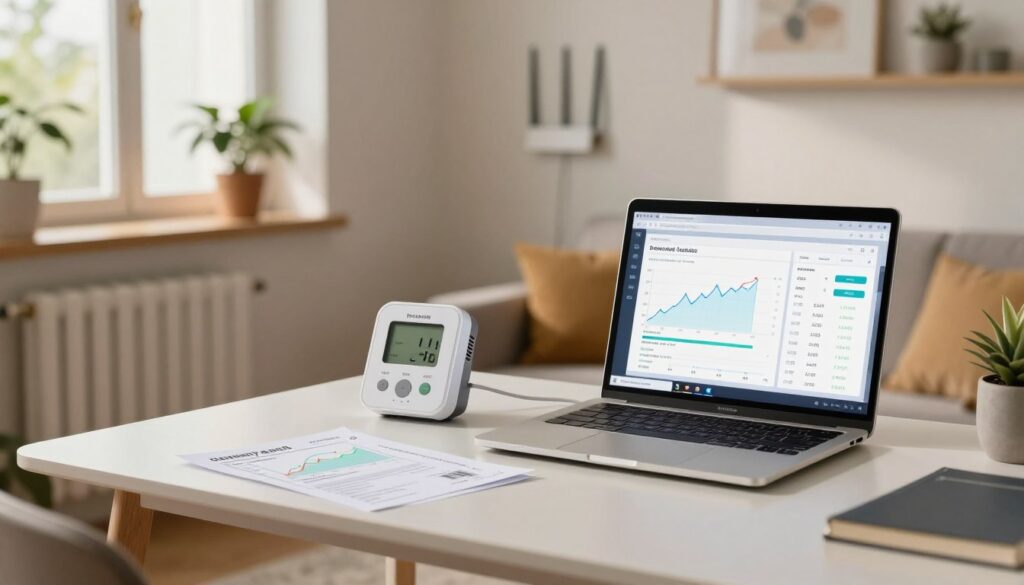
Expect wide variation in monthly bills. Your region, the type of home you pick, and how you heat it will change totals a lot. Typical utilities in 2025 run between €120–€310 per month, with seasonal peaks in winter.
What to expect for electricity, gas, and water each month
H1 2024 benchmark rates: electricity ~€0.2451/kWh and gas ~€0.085/kWh. Water averages €2.62/m³ (North €2.35, Center €3.57, South €2.38).
Annual water bills range dramatically — roughly €181/year in Molise versus €770/year in Tuscany — so verify local meters and tariffs.
Internet and mobile packages and common pitfalls
Fiber plans start near €29.99/month and mobile 5G SIMs from about €5.99/month. Watch for early termination fees and roll-over rules when you switch providers.
Heating choices and seasonality: pellets, wood, solar, condo vs detached
Pellets, wood, gas boilers, and solar each shift your heating cost and comfort. Detached homes usually carry higher bills because they heat more space and use multiple systems.
| Component | Sample monthly | Notes |
|---|---|---|
| Electricity | ~€246 | Higher with heat pumps/AC |
| Gas | ~€79 | Seasonal; depends on meter and zone |
| Water | ~€150 | Annual billing and regional variance |
Practical tip: start with the national range, then get local quotes and meter readings at move-in. That keeps your budget realistic and your first bills predictable.
Food and dining: your grocery basket and eating out costs
From supermarket basics to aperitivo nights, your choices set the tally for food spending. Plan around the national average of €525 per month for groceries and non-alcoholic drinks, then adjust for how often you eat out.
Grocery prices and averages
Staples vary by market and season. Apples run about €1.30–2.60/kg. Eggs (12) cost €2.63–6.78. Bread is €0.90–4.40, milk €1.50–2.20/l, and cheese €3.20–55.30/kg.
Rice spans €2.10–10.00/kg, coffee €8.90–31.80/kg, and tomatoes €1.98–12.30/kg. Many expats report €500–€600 per month when they cook most meals at home.
Eating out: quick bites to three-course dinners
A pizza slice or quick snack can be very cheap; in some cities a slice is about $1. Inexpensive meals sit around €15–25 per person. A mid-range three-course dinner runs €60–100 for two.
Bar beer typically costs €3–6 (craft €5–8). A bottle of wine in shops is often €3–15; expect €5–8 for decent house selections. Aperitivo deals near €7 frequently include a buffet and stretch your budget.
- Set your per month grocery target near €525 and tweak it by how much you cook.
- Compare supermarket prices and use weekly markets to cut your food bills.
- Plan a weekly bottle for home and pick restaurants by type to control dining costs.
Getting around: public transport, trains, and car ownership
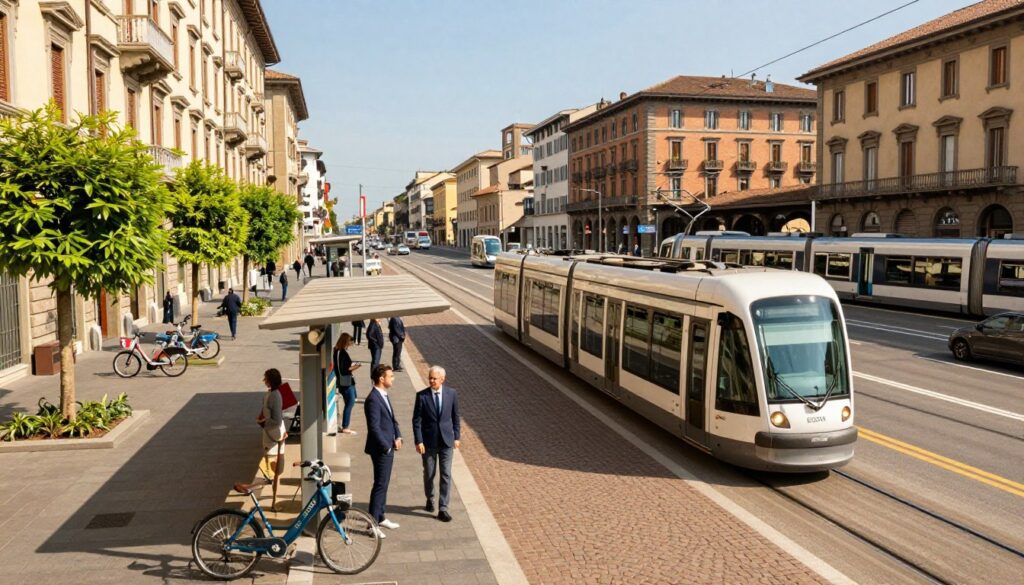
Getting around Italian cities blends cheap short hops and pricier high-speed trips—plan by mode and time.
City fares and passes
Local fares vary: Rome 100-minute €1.50 and day €7.00; Milan 90-minute €2.20 and day €7.60; Turin single €1.90 (€2 paper) and day €3.70 (€4.50 paper).
Tip: buy a monthly card if you commute; it often pays off after a few weeks.
Intercity trains and travel choices
Rome–Milan high-speed runs about €100; slower trains cost roughly half. Rome–Naples round trips can be as low as €26 on regional services.
“Choose time versus price for each trip—save on slower trains or pay for speed when time matters.”
Owning a car: real totals
| Item | Sample annual | Notes |
|---|---|---|
| Insurance | €316 | Varies widely by driver |
| Fuel (Feb 2025) | Gasoline €1.83/l | Diesel €1.74/l |
| Inspection | €45–€80 | Every two years |
- Average transport spend ~€289 per month; tailor it to your routine.
- Compare bike-share (€0.50–€1/hr) for short hops versus buses and metros.
- Compute true car monthly totals using your mileage, fuel price and insurance.
Healthcare and insurance: public coverage, private plans, and real out-of-pocket
Getting medical care here usually starts with registration and a regional Tessera Sanitaria card. You get access after you complete residency paperwork (Permesso or local ID) and register with the local health authority.
Accessing the public system
Register early. The public system gives near-universal coverage, but some procedures and drugs require co-pays. Rules and wait times vary by region, so check local offices when you arrive.
Private plans and who benefits
Private health insurance starts near €50/month for basic plans. Premiums rise with age and pre-existing conditions. Many expats buy supplemental plans for faster appointments and English-speaking specialists.
Actual spending and budgeting
Average household health spend was about €117/month in 2023. One expat couple reported national insurance plus prescriptions totalling ~€1,348/year (~€135/month).
| Item | Sample annual |
|---|---|
| National insurance (couple) | €748 |
| Prescriptions & co-pays | €600 |
| Total reported | €1,348 |
- Map registration steps and keep documents up to date so your card remains valid.
- Compare private plan types before you commit.
- Track out-of-pocket costs during your first year and adjust coverage if needed.
City-by-city comparisons: finding the right fit for your lifestyle and budget
Where you land in this country quickly decides how far your euro will stretch and what your days will feel like. Big cities bring energy, faster transport, and higher prices. Smaller towns trade buzz for savings and slower pace.
Big-city energy vs small-town savings
Rome, Milan, Florence compared to Parma, Rieti, and Sicily
Expect higher rents in Rome (about €1,401 for an 81 m²) and Milan among the priciest. Florence follows with tourist-driven prices.
Smaller markets show big gaps: Parma offers central flats near €650, Sicily small units around €450. A couple in Parma or Sicily reports roughly €1,700 monthly, while a Rieti couple can reach €3,425–€3,500.

Regional trade-offs and quality
The North and Center average near €2,953–€2,965 monthly; the South averages ~€2,234. In the North you get higher incomes and more services. In the South you get lower prices and a slower life.
- You’ll weigh rent tiers from four-figure city averages to sub-€700 homes.
- Dining and a bottle wine at a shop are cheaper than in central city bars; expect €5–€8 retail for a decent wine bottle.
- Transport options are broader in big cities; small towns rely on buses, regional trains, and bikes.
- Consider community, job networks, and how quickly people integrate when choosing your city.
Tip: pick a city that matches your first-year goals—work, language practice, or travel—and reassess once your life rhythm settles.
Conclusion
This guide gives you clear monthly targets for 2025 so you can move with confidence. Plan a baseline near €2,810 per month and use regional ranges—North €2,965, Center €2,953, South €2,234—to set expectations.
Expect average rent around €1,125 for an 81 m² apartment and utilities near €120–€310 per month. Private health insurance often starts near €50/month.
Next steps: shortlist a city, pick an apartment, and line up contracts and insurance with realistic timelines. Track your first three months to fine-tune your budget and test assumptions.
Home choice drives most variance, so compare options before you commit and set a 90‑day review to adjust rent, utilities, and food allocations. Use this Buyer’s Guide yearly to keep your living expenses practical and rewarding.
FAQ
What monthly budget should you plan for as a single expat in 2025?
Expect monthly expenses between €1,700 and €2,300 for a modest lifestyle in a mid-sized city. This includes rent for a one-bedroom, utilities, groceries, local transport, and basic health co-pays. Higher-end neighborhoods or bigger cities push totals above €2,500.
How do budgets change if you’re a couple?
Couples typically spend €2,300–€3,500 per month depending on location and lifestyle. You benefit from shared rent and utilities, but grocery and leisure costs rise. In Milan or Rome expect the upper end; smaller southern towns bring totals down.
Which regions have the biggest price differences?
Northern regions like Lombardy and Emilia-Romagna are pricier for housing and services. Central regions such as Lazio and Tuscany sit mid-range. Southern areas and many islands offer lower rents and cheaper groceries, though salaries and some services may be less available.
What are typical rents in major cities per square meter?
Rental prices vary: expect higher per m² in Milan and Rome, somewhat lower in Bologna and Verona, and more affordable rates in Naples and Turin. Central neighborhoods double peripheral prices, and furnished places cost more per month.
How much should you budget for utilities and broadband?
Plan roughly €100–€200 monthly for electricity, gas, and water in an average apartment; winter heating increases bills. Basic fiber internet and a mobile plan cost about €25–€45 combined, depending on speed and provider promotions.
What heating options affect seasonal bills?
Heating with natural gas or district systems is common in cities; rural homes may use pellets, wood, or heat pumps. Solar panels lower yearly costs but need upfront investment. Condominium systems spread heating costs across residents, while detached homes carry full responsibility.
How much will groceries and a bottle of wine add to your monthly spend?
A typical grocery basket for one person runs €180–€300 per month depending on habits and markets. A supermarket bottle of mid-range wine usually costs €4–€10. Local markets and discount chains help reduce totals.
What does eating out usually cost?
Casual meals like pizza slices or takeaway often cost €3–€8. An aperitivo ranges €6–€12, while a mid-range dinner for one in a restaurant averages €18–€35. Tourist areas charge more than neighborhood trattorie.
How much should you budget for public transport in big cities?
Monthly passes for Rome, Milan, and Turin range €35–€60. Single tickets and occasional taxi use add extra. Look for discounted passes, commuter cards, and employer-supported mobility benefits to save.
What about intercity train costs and tips to save?
Regional trains are cheapest; high-speed fares vary by booking time and flexibility. Rome–Naples regional trains can be under €15; high-speed services run €20–€50 or more. Book in advance, use regional options, and check Trenitalia and Italo deals.
How much will car ownership add per month?
Owning a compact car typically costs €150–€350 monthly after fuel, insurance, maintenance, taxes, and inspections. Fuel prices and urban ZTL (restricted traffic zones) can increase running costs significantly in major cities.
How does the public healthcare system work for expats?
You can register for the National Health Service (Servizio Sanitario Nazionale) with a Tessera Sanitaria if you have residency or certain permits. Coverage varies by region; many routine services are free or low-cost, but some regional co-pays apply.
When should you consider private health insurance?
Consider private plans if you want faster specialist access, broader hospital choices, or coverage while waiting for public registration. Monthly premiums vary widely by age and coverage level — budget extra for dental and elective procedures.
What are typical out-of-pocket medical expenses?
Minor GP visits and prescriptions often carry co-pays of a few euros. Specialist visits, diagnostics, or private hospital care can range from tens to hundreds of euros. Many expats report annual outlays of several hundred euros depending on their use.
What fees and deposits are standard for renting?
Landlords usually ask for a security deposit equal to one to three months’ rent and a signed lease (contratto). Expect additional costs for agency fees, registration taxes, and possible advance utilities. Furnished units often require higher deposits.
Do you need renters insurance or earthquake coverage?
Renter liability insurance is optional but recommended; basic policies cost around €50–€150 per year. In certain seismic zones, additional earthquake coverage for buildings or contents can add to annual premiums.
How do home purchase prices and mortgage rules differ?
House prices per m² vary greatly by region and city. Banks typically offer mortgages up to a percentage of the purchase price based on age, residency status, and income. Cash buyers avoid financing costs but face higher taxes and notary fees.
What taxes and ongoing fees come with home ownership?
Expect property taxes (IMU in some cases), condominium fees, utilities, and maintenance. When buying, you’ll pay registration taxes, notary fees, and potentially agent commissions. Costs depend on property type and buyer status (first-time buyer concessions may apply).
How do you find affordable neighborhoods that still offer quality of life?
Compare transport links, local services, and typical rents across neighborhoods. Smaller cities such as Parma or Perugia often give good value; regions like Sicily or parts of Puglia offer lower prices with a slower pace of life. Visit neighborhoods at different times to gauge noise and safety.
Where can you get reliable pricing and local data?
Use official statistics from Istat, real estate sites like Immobiliare.it and Idealista, public transport websites, and local expat communities. These sources give updated averages for housing, utilities, and typical household spending.