
“To awaken quite alone in a strange town is one of the pleasantest sensations in the world.” — Freya Stark.
This guide gives a clear, practical roadmap for people arriving and settling in Italy for the first time. It sets expectations for legal steps, local registrations, and simple daily tasks so life starts smoothly.
Start day one with passport, visa or entry stamp, housing contract, health insurance, passport photos, and copies. Non‑EU arrivals must file a permesso di soggiorno kit within eight working days and register at the Anagrafe within 90 days.
A codice fiscale unlocks banking, rent, utilities, and SIM cards; applicants can get one via Agenzia delle Entrate, immigration desks, or police. Americans should note FATCA limits at some banks; Fineco accepts US clients, while Wise and N26 can help short term.
Expect slow bureaucracy, ZTL fines if unfamiliar with local rules, and continued US tax filing. This post previews a week‑by‑week plan covering documents, housing, healthcare, banking, connectivity, transport, and daily checklists.
Key Takeaways
- Prepare core documents before arrival and keep copies handy.
- Apply for permesso di soggiorno (non‑EU) within eight working days.
- Register residency at the Anagrafe within 90 days.
- Get a codice fiscale quickly to access services like banking and rent.
- Plan around slow bureaucracy and ZTL rules to avoid fines.
- Use banks like Fineco or services like Wise/N26 as workarounds for Americans.
Start Strong: A First‑30‑Days Game Plan for a Smooth Move
Breaking the first month into focused weeks helps new arrivals handle paperwork and life tasks. This quick guide lays out practical priorities so they avoid common slowdowns and wasted time.
Week‑by‑Week Priorities to Keep You on Track
- Week 1: Grab a permesso kit at the post office and get a codice fiscale.
- Week 2: Secure housing and book an Anagrafe slot for residency registration.
- Week 3: Register for healthcare and open a bank account.
- Week 4: Arrange internet, transport passes, and remaining utilities.
What You’ll Need Handy at Every Appointment
Carry a universal document pack: passport, visa vignette or stamp, copies of ID, codice fiscale, passport photos, registered lease, and insurance.
Stack visits when possible — for example, pick up the kit and pay fees at one post office trip to save time. Make sure confirmations and receipts are printed or saved as PDFs. In bigger cities, book online where offered; otherwise aim for morning slots to avoid closures and long queues.
Pro tip: Keep post office acknowledgement slips and plan a buffer day each week for overflow tasks.
Understand the Paper Trail: Visas, Permits, and the Reality of Italian Bureaucracy
Navigating Italian forms and appointments shapes how quickly life becomes normal in a new town.
The legal fact is simple: non‑EU visitors cannot stay beyond 90 or 180 days without a proper visa. A visa starts permission, but arrival triggers a follow‑up permesso di soggiorno application within eight working days.
Major visa routes include student visas, Elective Residency (roughly €31,000/year plus 20% for a spouse and 5% per child), self‑employment (Lavoro Autonomo with nulla osta and activity proof), and the start‑up option (about €50,000 investment after approval).
Bureaucracy often takes months. Appointments, documents, and multiple trips are normal, especially in big cities. The post office handles permesso kits, payment slips, and barcode receipts that serve as temporary proof while waiting for the card.
- Bring certified translations and apostilles for US documents to avoid rejections.
- Keep a dated log of submissions and stamped receipts to track milestones.
- If time slips, check online portals and ask for in‑person updates at the comune.
One more practical note: Americans must continue US tax filing and may face extra bank paperwork under FATCA. Plan extra time for banks and official appointments.
Secure Your Identity in Italy: Codice Fiscale, Residency Registration, and Permesso
Start the paperwork that lets you open accounts, sign leases, and access healthcare.
Getting Your Codice Fiscale from Agenzia delle Entrate
The codice fiscale is the number that anchors most local contracts. Visitors can get one at the Agenzia delle Entrate, immigration desks, or police stations. At the counter they’ll need a passport, the visa page or entry stamp, an address, and copies.
Registering at the Anagrafe within the Required Timeframe
Register residency at the Anagrafe within 90 days. Bring a registered lease, passport, the completed Dichiarazione di Residenza, and proof of income. Make sure names match across documents and translated certificates are certified.
An official may verify your home with an unannounced visit within about 45 days. If missed, follow up quickly to avoid delays.
Permesso di Soggiorno: Picking Up the Kit and Filing within Eight Working Days
Non‑EU arrivals must collect the permesso kit at the post office and file it within eight working days. Pay fees, complete forms, and keep the barcode receipt as temporary proof. The process moves from submission to a biometrics appointment, then to card pickup at the Questura.
Track each step in a simple checklist file. It saves time and gives clear information if renewals or checks arise.
Find a Place to Live: Short‑Term Setups, Long‑Term Rentals, and What to Expect
Finding the right place to live shapes the first weeks and sets the tone for everyday life.
Start with short‑term options in big cities and smaller towns. Hotels, serviced flats, Airbnb, and Spotahome give flexibility while scouting neighborhoods.
Where people search and what to expect
For longer searches use Immobiliare or local agencies like Tecnocasa. In Rome, Milan, and Florence demand is high and viewing slots fill fast.
Costs, contracts, and red flags
Budget for upfront cash: deposits often equal three months’ rent and an agency fee is common. Leases usually run 3+2 or 4+4 years.
- Price signals: purchase prices differ a lot between cities; rental prices show similar gaps.
- Watch maintenance clauses, pet rules, and notice periods.
- Document move‑in condition with time‑stamped photos to protect deposits.
Registering at the Anagrafe needs a long‑term contract. Expect a home visit within about 45 days to confirm the address.
“Start short‑term, learn the area, then commit when paperwork and peace of mind align.”
Get Healthcare Access: Tessera Sanitaria, SSN Registration, and Private Options
Understanding how Italy’s health system works helps newcomers plan their first months.
The SSN gives low‑cost or free care for residents once they register at the local ASL and receive a Tessera Sanitaria (health card).
Who qualifies and how to register
Residents enroll at the ASL with ID, codice fiscale, proof of residency, and a permesso receipt if applicable. The Tessera Sanitaria is used at pharmacies, clinics, and hospitals.
Short visits, EHIC/GHIC, and private insurance
EU/EFTA visitors use an EHIC; UK citizens use GHIC. Non‑EU tourist and short‑term arrivals should buy private coverage for the first months.
Public vs private care, and practical tips
ERs treat everyone, but the fact is uninsured patients can be billed. Keep receipts and ask about appeals if charged.
“Choose a family doctor early and bridge care with a private clinic when wait times threaten urgent needs.”
| Service | Best for | Notes |
|---|---|---|
| SSN / Tessera Sanitaria | Residents | Register at ASL; choose medico di base |
| EHIC / GHIC | Short EU/UK stays | Limited to necessary care; check validity |
| Private insurance / clinics | Non‑EU tourists, fast access | Good for specialist visits and bridging coverage |
- Bring ID, codice fiscale, residency proof to the ASL for registration.
- Know co‑pays, exemptions, and how to add dependents or register children.
- Plan ahead for appointments; use private clinics if public wait times affect daily life.
Open and Use a Bank Account in Italy Without Losing Time
Opening a bank account quickly helps new arrivals handle rent, bills, and daily spending without delay.

Most banks require in‑person ID, a codice fiscale, proof of address, and a valid residence permit. At the branch they’ll ask for passport pages showing the visa and entry stamp, so bring originals and certified copies; you’ll need them for signing.
Documentation You’ll Need and Common Bank Requirements
- Photo ID (passport), codice fiscale, lease or utility showing address.
- Permesso di soggiorno receipt or visa documentation and proof of income when requested.
- Make certified photocopies ahead to speed the process; appointments save time versus walk‑ins.
Navigating FATCA Hurdles for Americans and Viable Banking Alternatives
Because of FATCA some banks decline U.S. clients. Fineco often accepts Americans; many people open interim accounts with N26 or Wise and use their debit card until a local account is approved.
Day‑to‑Day Payments: Utility Bills, Cards, and Workarounds
An Italian IBAN simplifies auto‑debits for utilities and broadband. The post office sells prepaid debit cards you can load for early rent or bill deposits at Poste; this is a reliable way to bridge the process.
“Start digital, then shift to a full local account as residency and permits fall into place.”
Stay Connected: Italian SIM Cards, Mobile Plans, and Setting Up Internet at Home
Getting reliable mobile data and home internet fast makes the first week far less stressful.
Most arrivals choose a prepaid SIM for flexibility. TIM, Iliad, Wind Tre, Kena Mobile, and Vodafone sell prepaid and monthly plans. Registration usually needs a passport and codice fiscale; in smaller cities and places the clerk will register the SIM at purchase.
Buy a SIM on day one for maps, two‑factor codes, and local calls. Porting a number later is a common way to switch without losing contacts.
Home internet often requires a technician visit. Book a slot and coordinate access with the building manager. Old wiring can lower real speeds — make sure to request a line test before signing for 1 Gbps plans.
- Use daily bundles, pocket hotspots, or tethering as interim data solutions.
- After activation, check latency and stability; escalate faults via the provider app or post office receipts if needed.
- Keep receipts, note modem rental fees, and watch early termination penalties to control price and hassle.
“A local SIM and a tested line save time and reduce setup headaches.”
Move Around the City: Trains, Buses, ZTL Rules, and Driver’s License Basics
Getting where one needs to go quickly depends on a few simple choices. In larger Italian cities, public transit and regional train links handle most daily needs. For regional trips, high‑speed and regional train options often beat driving for punctuality and comfort.
Choosing the Best Transport Options
Compare buses, metro, and trains when planning commutes. Monthly passes save money for regular riders.
In smaller towns, a car can be handy. In big cities, pick neighborhoods near transit to avoid daily parking headaches.
Understanding ZTLs and Avoiding Fines
Many historic centers enforce ZTLs with cameras. Unauthorized entry triggers fines, sometimes multiple in one day.
Check hotel or landlord for permit rules and arrange delivery or mover access in advance.
When a U.S. License Works and When an Italian License Is Needed
A U.S. license often works short term (commonly about one year), but long‑term residents should start converting or obtaining an Italian license early.
Pro tip: Learn local driving etiquette—roundabouts, cameras, and signalling differ from U.S. norms and affect safety and fines.
“Prioritize trains for intercity trips and transit‑friendly neighborhoods for city life.”
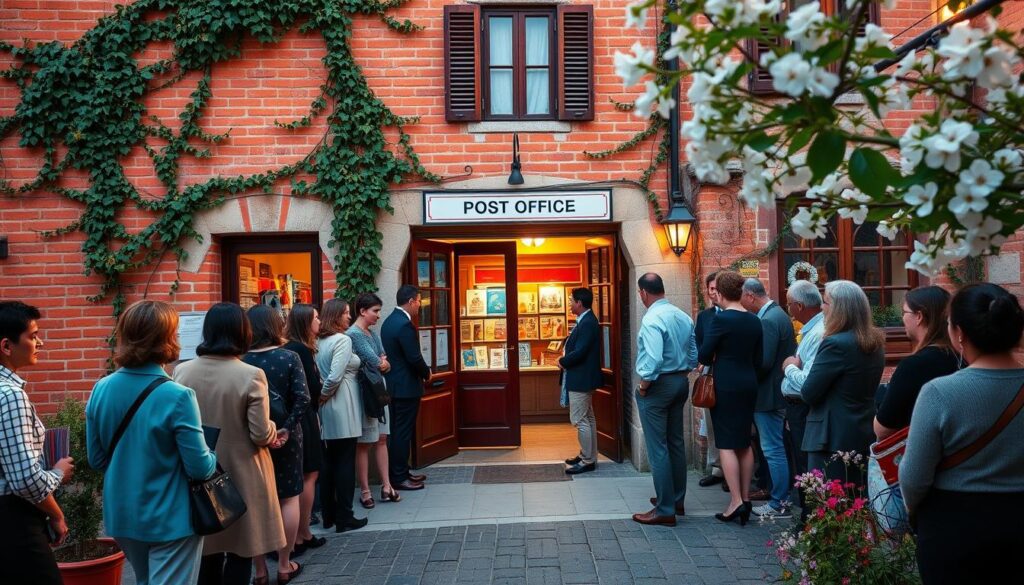
Master the Post Office: The Hub for Permesso Kits, Payments, and Essential Services
The local post office doubles as a civic hub where newcomers handle permits, bills, and prepaid cards.
Branches of Poste Italiane handle the permesso di soggiorno kit, bill payments, and prepaid debit cards. Many offices close early, commonly by 2 PM, so arriving in the morning saves time and stress.
How to queue, what to bring, and typical hours
Take a ticket, note the counter display, and stay near the seating area so you don’t miss your number. Busy branches use digital boards that cycle through numbers.
- Bring passport, codice fiscale, passport photos, and cash or card for fees.
- For the permesso kit: assemble forms, pay postal orders, and keep the barcode receipt as temporary proof of application.
- Buy and load a prepaid card at the counter to bridge banking gaps and pay initial bills or deposits.
- Expect peak crowds after holidays; choose midweek mornings for shorter waits.
Practical tips: make sure to keep duplicate copies of receipts and forms. Use translation apps or prepared phrases if people at the counter speak limited English. Verify local opening hours online before you go to avoid wasted trips.
| Service | Required items | Best time |
|---|---|---|
| Permesso kit submission | Passport, codice fiscale, photos, filled forms, fee | Morning, early weekday |
| Bill and fine payments | Reference number, cash/card | Midday avoid post‑holiday peaks |
| Prepaid card purchase/load | ID, cash/card | Any open hours; morning faster |
If You’re Moving with Family: Schools, Pediatric Care, and Everyday Life
When children accompany a move, quick action on schooling and health saves weeks of stress.
Parents should gather documents before appointments. Schools typically ask for the child’s ID, a birth certificate with an Italian translation, vaccination records, proof of residence, and parent IDs.
Prepare translations and certified copies to avoid delays. Register vaccinations with the local ASL so records match school requirements.
Enrolling kids: what schools request
- Child passport or ID and birth certificate with translation.
- Vaccination booklet or medical records and parent identification.
- Proof of residence (lease or registration) and recent photos when required.
Finding family services and pediatric care
After ASL registration and an SSN, families choose a pediatrician through the SSN. Public hospitals handle urgent pediatric needs and referrals when specialists are needed.
| Service | Best for | How to access |
|---|---|---|
| Daycare / Preschools | Working families | Municipal portal; waitlists common in larger cities |
| Pediatrician (medico pediatra) | Routine child health | Register via ASL after residency |
| After‑school clubs | Activities and homework help | Local sports clubs, libraries, and municipal listings |
Choose a home near parks, transit, and a clinic when possible. Use parent groups and expat forums for practical information and secondhand items.
“Schedule school and medical appointments early — peak slots fill fast in larger towns.”
Money Matters for Americans: Taxes, Cost of Living, and Price Reality Checks
Understanding taxes and local prices helps avoid surprises in the first months.
Americans must file U.S. taxes every year even while living abroad. The US‑Italy tax treaty often prevents double taxation, but credits and exclusions interact with Italian rules and the resident’s visa status.
Get professional help if income is complex. A cross‑border tax specialist saves time and reduces risk. Gather W‑2s, 1099s, Italian statements, and bank records before meetings.
Plan liquidity: deposits usually equal three months’ rent and agency fees can be one month or about 10% of annual rent. Utilities may run several hundred euros per quarter. Grocery prices vary by region and shopping habits.
| Budget item | Typical monthly range |
|---|---|
| City rent (smaller) | €500–€900 |
| City rent (major) | €900–€2,000+ |
| Utilities & internet | €80–€200 |
| Groceries (single) | €150–€350 |
Track spending categories and build an emergency fund for bureaucratic delays. Use Wise, ATM fee‑free networks, and careful bill timing to limit FX and banking costs. The local post office remains useful for quick bill payments and checking invoice details.
“Budget well, file on time, and keep buffers for delays.”
Language and Culture: Learn Italian, Eat Local, and Engage with People
Speaking Italian accelerates errands, friendships, and work chances far faster than depending on English.

Why counting on English limits progress
Relying on speak english in cafes and offices keeps a newcomer on the sidelines. It slows bureaucracy, narrows job options, and reduces small daily wins.
Fast‑track ideas and practical tips
Start a first‑month sprint: use an app daily, take two classes weekly, and join structured meetups in major cities for conversation practice.
Food helps fast learning. Order at markets, read menus aloud, and ask vendors simple questions to build useful vocabulary quickly.
- Set short life goals: handle a pharmacy visit or pay a utility call without help.
- Pair grammar drills with real tasks (post office, train ticket purchases).
- Try Italian‑only hours at home and label items to boost passive exposure.
Small, steady language work changes how quickly people integrate and feel at home.
| Action | Why it works | Quick result |
|---|---|---|
| Daily app + 2 classes/week | Builds routine and structure | Faster conversational confidence |
| Market/restaurant practice | Food vocabulary and social cues | Order and pay without help |
| Volunteer or club | Real contacts with locals | Practical phrases and friendships |
Essential Things to Do in Your First 30 Days After Moving to Italy
A tight day-by-day plan saves time and keeps critical deadlines from slipping.
Day-by-day checklist to make sure you don’t miss a step
Start with the permesso kit: collect and submit at the post office within eight working days. Visit the Agenzia delle Entrate for a codice fiscale — most offices issue it same day.
Book Anagrafe and ASL slots early. Open a bank or set up Wise/N26 and buy a postal prepaid card as an interim option.
Common mistakes people make in the first weeks—and better ways
- Missing the eight‑day window for the permesso — go to the post office first thing in the morning.
- Driving into a ZTL and getting fines — check permits with the landlord before moving a car.
- Assuming banks will open accounts without residency proof — bring lease, codice fiscale, and receipts.
Practical tips: stack errands by neighborhood to save transit time. Keep barcode receipts and scans in one folder so you’ll get proof when asked.
“Bring extra copies and certified translations; they cut repeat visits and save days.”
| Action | When | Why |
|---|---|---|
| Permesso kit submission | Within 8 working days | Legal requirement; barcode is temporary proof |
| Codice fiscale | Day 1–3 | Needed for banks, SIMs, and contracts |
| Anagrafe booking | Within 90 days | Residency registration; required for benefits |
Finally, prepare a basic night kit (SIM, emergency numbers, groceries) so paperwork days feel manageable. This short guide helps track progress each week and keeps critical deadlines in view.
Conclusion
, A few final notes show how practical routines can speed integration and reduce stress. This guide and post give a compact plan so readers use time wisely and hit legal milestones first.
Non‑EU visitors should remember the permesso deadline (eight working days) and the Anagrafe window (90 days). US citizens handle FATCA paperwork and keep tax filings up to date.
Many people find backups help during slow months: private insurance, a SIM or Wise/N26 account, and Poste prepaid cards ease early hurdles.
Simple daily ideas—ride the train, learn ZTL rules for each city, cluster errands near home, and enjoy local food—help life feel normal while paperwork runs its course.
This guide and post show the reason: there is a lot to do, but following the way laid out makes the country manageable. With persistence, organized documents, and steady progress, live italy becomes home within months or a year.
FAQ
What paperwork should someone get first after arriving in Italy?
Within the first week they should apply for a codice fiscale at Agenzia delle Entrate, book an appointment at the local Anagrafe to start residency registration if they plan to stay long term, and collect the permesso di soggiorno kit from a post office within eight working days if required by their visa. These documents open access to banking, healthcare, and rental contracts.
How long does it take to receive a permesso di soggiorno?
Processing times vary by city and workload; larger cities like Rome and Milan can take several months, while smaller towns may be faster. Applicants should expect to wait several weeks to a few months and use the receipt (ricevuta) to show they applied while waiting.
Can U.S. citizens use their driver’s license in Italy?
Short‑term visitors can usually drive with a U.S. license and an International Driving Permit (IDP). For residents, rules vary by region and length of stay—many who convert to resident status must obtain an Italian license within a year or follow the residency conversion rules for their specific state.
How does one open a bank account quickly?
Bring a valid passport, codice fiscale, proof of address (utility bill or rental contract), and residency documentation if available. Some banks accept a temporary address and the tax code only. Americans should be prepared for FATCA questions and may consider online banks like N26 or Revolut as interim options.
What’s the fastest way to get healthcare access?
Registering for the Tessera Sanitaria at the local ASL grants access to the national health service (SSN). EU/EFTA visitors with a GHIC/EHIC should carry that card. New residents can also buy private insurance while waiting for public coverage to start.
How important is learning Italian right away?
Very important. Relying on English is feasible in tourist areas but hampers dealing with bureaucracy, local services, and integrating into daily life. Short intensive courses, language cafés, and apps help build practical skills in the first month.
What should someone know about renting an apartment?
Read contracts carefully for duration, deposit (caparra), agency fees, and utilities. Standard leases often run 4+4 years for long terms, but furnished short‑term agreements are common in cities. Residency registration often requires a landlord’s stamp or a home visit by authorities.
How do ZTL zones work and how can one avoid fines?
ZTL (restricted traffic zones) in historic centers restrict non‑authorized cars during set hours. Check local municipal websites, use apps or maps that show ZTL boundaries, and give rental agencies the car plate to register if necessary. Cameras automatically issue fines for violations.
Which mobile operator and plan should new arrivals choose?
Major operators include TIM, Vodafone, and WindTre. Prepaid SIMs work well short term; monthly plans suit residents. Prices and coverage vary by region, so compare data allowances and check for required ID and codice fiscale when signing up for a contract.
When should families enroll children in school and what documents are needed?
Enroll as soon as residency intentions are clear. Public schools require birth certificates, vaccination records, proof of address, and parents’ IDs. International and private schools have separate application rules and often waitlists, so contact them early.
How do post offices factor into settling in Italy?
Poste Italiane offices handle permesso kits, payments for public services, and many receipts. Expect queues; bring ID, codice fiscale, and completed forms. Some services require booking an appointment online for faster service.
Do Americans have special tax obligations while living in Italy?
Yes. U.S. citizens must still file U.S. tax returns and may need to report foreign bank accounts (FBAR) and foreign assets (FATCA). Italy and the U.S. have a tax treaty and provisions like the Foreign Earned Income Exclusion, but consulting a tax professional experienced with expatriates is recommended.
What interim solutions exist if Internet installation is delayed?
Use mobile hotspot data, portable 4G/5G routers, or local coworking spaces that offer reliable connections. ISPs like TIM, Vodafone, and Fastweb typically require an installation appointment; confirm building wiring and any landlord permissions beforehand.
Where should newcomers turn for reliable, up‑to‑date information about visas and residency?
Official sources such as the Italian Ministry of Foreign Affairs, local Questura websites, Agenzia delle Entrate, and the Comune (municipal) offices provide authoritative guidance. Immigration lawyers and relocation consultants can help with complex cases.