
“One who is brave is free,” Nelson Mandela once wrote, and that idea fits well for someone moving abroad. This guide begins with practical steps that help a newcomer find steady footing and feel welcome.
Simple language efforts like “Buongiorno” and “Grazie” open doors and show respect. Understanding when to use Lei versus Tu prevents awkward moments with strangers.
Daily life follows a different rhythm: many shops pause for riposo, and dinners often start after 8 pm. Planning errands around that slower time flow makes life easier.
Paperwork and utilities take longer than expected. Patience, organized documents, and a 30-day plan for housing and registration save repeat trips and frustration.
Community matters: neighbors, cafes, markets, and small festivals create belonging. He or she who greets others often finds help and friendship fast.
Key Takeaways
- Use basic greetings to build goodwill and ease daily life.
- Plan errands around riposo and later dining hours.
- Prepare paperwork ahead and expect slower bureaucracy.
- Join local groups to speed social integration and support.
- Stay alert in busy tourist zones and protect valuables.
How to Start Strong: A Practical Roadmap for the First 30 Days
Start the first month with a clear checklist that turns chaos into manageable steps. These practical tips help prioritize essentials, reduce stress, and build momentum during an important transition.
Week 1: secure temporary housing, buy a local SIM, and shop morning markets for basics. Create a document checklist for permits and utilities so appointments run smoothly and save time.
Weeks 1–2: book residency, tax code, and utility appointments early. Italian bureaucracy moves slowly; bring copies of every document and keep a calm mind when offices ask for more paperwork.
Week 2: map local shop hours and riposo periods. Plan errands for morning or late afternoon to avoid closed doors.
Weeks 2–4: introduce yourself to neighbors, start coffee chats at the neighborhood bar, and join two groups for faster social integration. Small steps build a sense of community and steady connections.
“Keep an admin log of appointments, contacts, and requirements to cut repeat trips.”

- Week-by-week focus keeps paperwork on track.
- Language practice and local greetings open doors.
- Treat the month as foundation work for everyday life.
Language and Communication: Build Confidence the Italian Way
Speaking a little local language changes ordinary moments into helpful ones. Locals notice basic phrases and respond with more warmth and patience. Buongiorno, Per favore, and Grazie smooth errands and speed service.
Formality matters. Use Lei with professionals, elders, or new acquaintances. Switch to Tu only when invited. This shows respect and fits local culture.
Gestures are common and people may stand closer than visitors expect. Read the room: match tone, keep eye contact, and step back if someone signals space.
Practical tips help fast.
- Learn high-frequency phrases for coffee, directions, and payments.
- Practice short scripts for the post office or pharmacy.
- Build a mini-glossary for appointments: appuntamento, modulo, sportello.
Twenty to thirty minutes daily on an app plus a weekly class makes steady progress. Use active listening and a warm smile: a quick “Scusi, sto imparando” keeps exchanges friendly and effective.
“Small efforts in speech often open doors faster than perfect grammar.”
Cultural Differences Expats Experience in Italy (And How to Adapt)
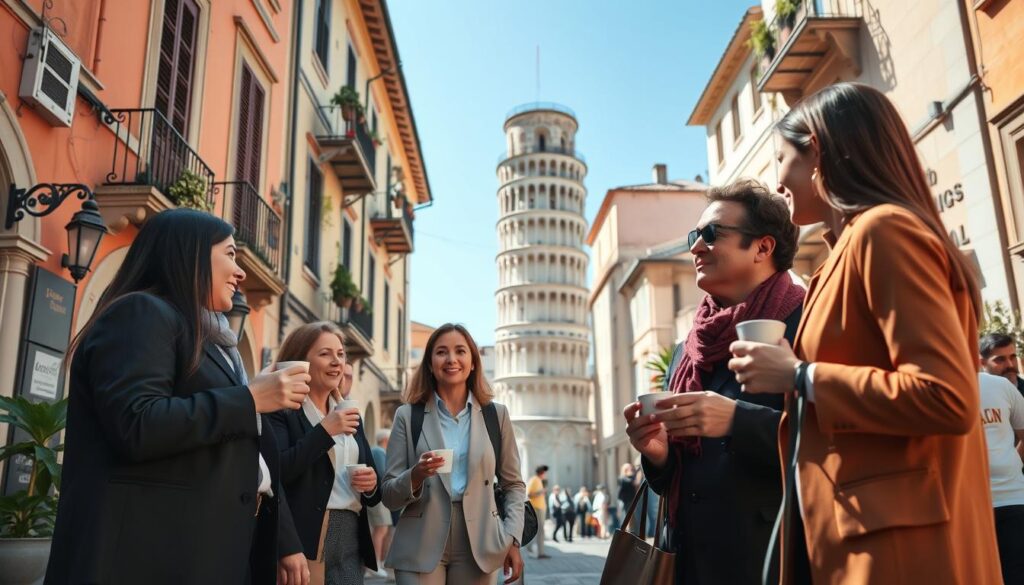
Daily schedules shift; mornings are prime for errands while afternoons often slow down for riposo. Understanding this rhythm reduces stress and helps plan errands, appointments, and social time.
Time and rhythm
Expect late dinners and mid-day closures. Use mornings for important tasks and reserve flexible chores for the early afternoon lull.
Plan for bureaucracy
Official processes move slowly. Build extra hours into any appointment and bring backups. Patience helps, and persistence pays off when forms take longer than expected.
Document readiness
Create a document kit: passport, permits, tax code, proof of address, photos, copies, and scanned files. Ask staff for a checklist at the start of each visit to avoid repeat trips.
Align your schedule
- Stack high-priority errands in the morning.
- Use buffers for complex tasks that can take a full day.
- Remember seasonal hours and holidays that change office availability.
“Pacing your life to local rhythms turns friction into routine.”
Food, Dining, and Daily Life: Eat, Connect, and Thrive
Eating here is less about grabbing a snack and more about sharing time. Italians usually favor three structured meals over frequent nibbling. That rhythm shapes daily plans, social life, and local food routines.
Meal cadence over snacking: adjust expectations and enjoy the pause
Expect fewer snacks and fuller meals. Plan breakfast, a proper lunch, and a later dinner to match local times.
Lunch often becomes a restful break. It can be social and restorative rather than hurried.
Dining norms: leisurely meals, local ingredients, and restaurant etiquette
Order by course when you wish—antipasto, primo, secondo—but do not feel obliged to pick every course.
Embrace seasonal menus and ask open questions like “Cosa consiglia oggi?” Servers will point out dishes tied to local history and recipes passed down by people in the area.
Wine culture 101: ordering, tasting, and talking about varietals
Try the vino della casa for value, or ask for a regional varietal. Use simple tasting words: secco, fruttato, corposo. Wine completes many meals and adds to the dining experience.
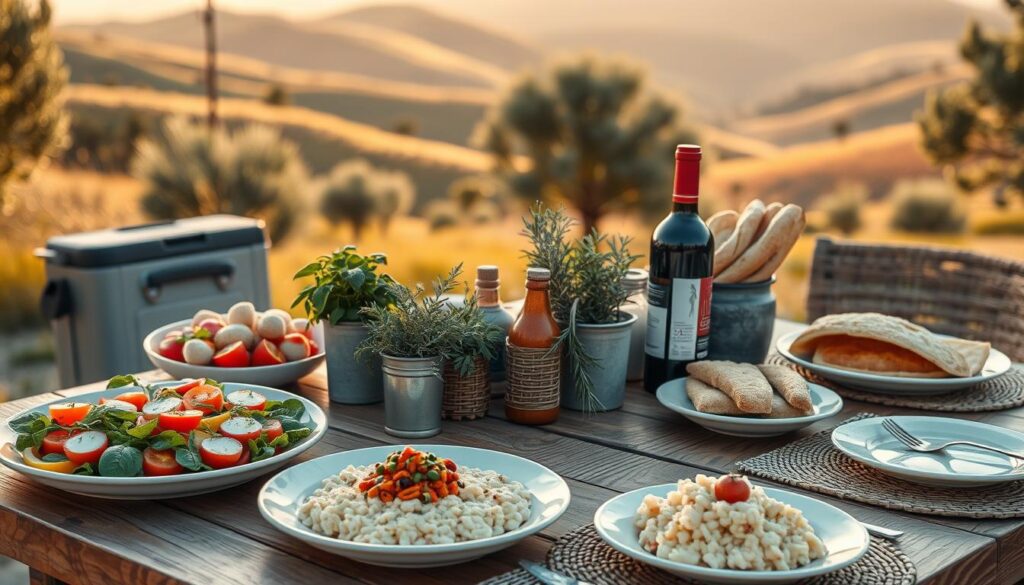
- Share plates to sample more dishes.
- Note coperto and that cappuccino stays a morning drink.
- Lingering after dinner is normal and welcome.
| Meal | Typical times | Common items | Wine tip |
|---|---|---|---|
| Breakfast | 7:00–9:00 | Coffee, pastry | Usually none |
| Lunch | 12:30–14:30 | Primo, light secondo | House wine or white |
| Dinner | 20:00–22:30 | Full courses, dessert | Red regional varietal |
“Meals are a daily invitation to slow down and connect.”
Social Customs and Community: From Coffee Chats to Local Connections
A warm hello and a short coffee chat often start friendships that last. Simple rituals at the corner bar or during morning strolls make daily life friendlier. These small acts build trust and a reliable network.
Warm greetings and coffee breaks: the doorway to belonging
Saying hello to neighbors and sharing quick bar conversations opens access to local routines. A few friendly words show respect and invite return gestures.
Join groups and events
Use social platforms and local listings to find suitable groups and meetups. Join two or three that match interests so social chances occur naturally.
Learn from locals: observe, ask, and keep an open mind
Watch how people greet, queue, and interact. Ask curious, respectful questions about traditions; most people enjoy sharing why customs matter.
- Balance expat circles with neighborhood clubs for a broader network.
- Attend festivals and volunteer to deepen ties and gain practical help.
- Use coffee breaks as low‑stakes practice for language and social skills.
| Setting | Typical benefit | Quick tip |
|---|---|---|
| Corner bar | Daily familiarity | Learn names of regulars |
| Local groups | Shared hobbies | Join two or three |
| Festivals | Local culture exposure | Attend early and ask questions |
“Small, steady gestures create a lasting sense of belonging.”
Stay Grounded: Safety, Support, and Everyday Logistics
“Plan, stay aware, and ask local allies for help.” Smart choices about transport, timing, and contacts cut daily stress. A few simple habits protect belongings and preserve time.
Smart safety mindset
Keep bags zipped and worn in front. Do not rest phones on cafe tables. Stay alert in packed tourist zones like Piazza Navona or Via dei Fori Imperiali, where petty theft is more common.
Transportation choices
Favor public transit in dense historic centers; trains, metros, and buses usually save time and reduce stress. If driving, learn local rules and expect assertive traffic—avoid car use in Rome, Florence, and similar cores when possible.
Seek support
Block extra time for any office visit and bring full document sets to handle bureaucracy. Build basic language phrases for safety and reporting loss.
- Identify local hotspots and quieter routes to reduce daily challenges.
- Use expat groups, university hubs, and social media for vetted tips.
- Keep emergency numbers and a late‑night pharmacy or food option handy.
Mastering transport, paperwork, and local networks frees up more time for culture, history, and enjoying local food.
Conclusion
Settling well takes steady steps, not a single big moment.
Embrace basic language and align daily plans with local schedules like riposo and later dinners. Small, consistent practice makes errands and conversations easier.
Keep a calm mind when facing paperwork; patient planning and document readiness turn bureaucracy into routine. Invest time in neighbors, the bar staff, clubs, and one good expat network for fast, practical support.
The real learning comes through daily routines. Curious exploration at markets, transit, and local events builds a richer experience of local culture and creates lasting ties.
FAQ
What are the quickest ways to settle in during the first 30 days?
Focus on practical tasks first: register at the local anagrafe for residency, open an Italian bank account like Intesa Sanpaolo or UniCredit, and get a local SIM card from providers such as TIM or Vodafone. Arrange temporary housing, learn basic public transit routes, and schedule essential appointments (health card, tax code/CF, and lease registration). Building a short checklist helps avoid overwhelm and creates early momentum.
How fast should one learn Italian to get by comfortably?
Learning the basics in the first few weeks—greetings, ordering food, and asking for directions—makes daily life smoother. Aim for conversational A2-B1 within a few months by combining apps like Duolingo with weekly language exchanges or classes at a scuola di italiano. Consistent practice and using phrases in real situations boosts confidence quickly.
When should a newcomer use Lei instead of tu?
Use Lei with older people, professionals in formal settings, or when meeting someone for the first time in a business or bureaucratic context. Switch to tu only if the other person invites it. Using Lei demonstrates respect and avoids awkwardness, especially during official interactions.
How do Italian time norms like riposo and late dinners affect daily planning?
Expect shops to close midday for riposo in smaller towns and restaurants to serve dinner later, often after 8 p.m. Schedule errands around shop hours, avoid booking morning-only appointments on riposo days, and embrace slower evening rhythms. Aligning plans with local timing reduces friction and helps foster local connections.
What paperwork should be ready before handling bureaucracy?
Keep originals and copies of your passport, visa, permit of stay (permesso di soggiorno) or EU registration, codice fiscale (tax code), lease contract, and proof of income or employment. A well-organized folder and scanned backups make appointments at questura, banca, and ASL more efficient. Consider using a local patronato or an accountant for complex cases.
How can someone adapt to Italian dining norms and meal cadence?
Shift from frequent snacking to structured meals: colazione in the morning, pranzo around midday, and cena later in the evening. Prioritize fresh, local ingredients and enjoy longer meals as social time. When dining out, expect a relaxed pace; ask for the conto when ready and avoid rushing the table.
Are there unspoken rules for coffee and social small talk?
Coffee often serves as a casual social ritual. A quick espresso at the bar is common; sitting at a table may be pricier. Small talk about family, food, or local events opens doors. Observe tone and personal space, mirror the local warmth, and avoid overly direct questions about income or politics on first encounters.
What safety precautions should visitors and residents take?
Remain aware in crowded tourist spots to prevent pickpocketing, keep copies of important documents, and use RFID-blocking wallets if desired. Use official taxi services or well-reviewed rideshare options at night. Register with your embassy for updates and emergency assistance when staying long-term.
Is it better to drive or use public transport in Italy?
Public transit works well in cities and between major towns—trains by Trenitalia and Italo are reliable for longer trips. Driving suits rural areas and flexibility but may bring ZTL restrictions, narrow streets, and limited parking in historic centers. Evaluate location and lifestyle before deciding.
How can newcomers build local relationships and feel part of a community?
Join language exchanges, neighborhood associations, cooking classes, or local clubs tied to hobbies. Attend sagre, mercato days, and municipal events to meet neighbors. Volunteering and small daily interactions—regular cafés or shops—help form genuine ties faster than relying solely on expat networks.
What are practical tips for handling utilities and setup tasks?
Prepare proof of address, ID, and codice fiscale for utility contracts. Compare providers for internet and mobile plans, and ask landlords about account transfers. Keep notes of service contacts, warranties, and meter readings to avoid billing surprises.
Where can someone find support if bureaucracy becomes overwhelming?
Seek help from patronati (free assistance offices), local commercialisti (accountants), or relocation services. Expat Facebook groups and Meetup communities often share step-by-step advice and trusted providers. For legal issues, consult an avvocato experienced with immigration or property law.
How should one approach local customs and history to fit in respectfully?
Observe, ask polite questions, and read about regional traditions and historical context. Showing curiosity about regional dishes, dialects, and festivals signals respect. Small gestures—learning a few local phrases, honoring meal etiquette, and dressing appropriately for churches—elevate mutual goodwill.
What mindset helps manage culture shock and slow moments?
Patience and flexibility are key. Expect delays in services, slower rhythms, and different problem-solving styles. Practicing mindfulness, keeping routines that ground them, and celebrating small wins reduce stress. Connecting with both locals and international friends provides balance and perspective.




This guide is a lifesaver, especially the part about the “riposo” rhythm—it’s something I wish I’d known before my first week here! The bureaucracy section is spot on, and I’m currently struggling with the paperwork for my residency. Since this article mentions how slow the local process can be, I’ve been looking into whether other EU countries have more streamlined digital options for expats. I recently came across a post about remote setups in neighboring regions at https://creativelivingabroad.com/blog.html and was wondering if anyone here has tried similar remote consultancy services to handle their Italian Codice Fiscale or bank accounts? Does it actually save time compared to doing it in person as the article suggests?