
Can one well-chosen offer double your commissions while you sleep? You’ll want an answer before you pick links for your articles or reviews. This guide shows how top offers in fitness and wellness deliver strong EPC by combining click behavior, conversion rates, and order value.
You’ll see how tracking links, real-time dashboards like Tapfiliate, and variable payouts let you scale revenue. Affiliates in this niche often report solid monthly returns — a benchmark many cite is $8,038 per month for active publishers.
Quickly learn what makes high-EPC offers different: which product categories convert best, how payouts are structured, and where your content should sit to capture demand. This section previews actionable choices so your links drive reliable commissions and measurable performance.
Key Takeaways
- High-EPC offers mix strong conversion and higher order value for better payouts.
- Tracking tools give real-time reporting and clear commission attribution.
- Top categories: meal kits, supplements, sleep tech, luxury wellness, and prescription-adjacent retailers.
- Align offers with your audience and content to boost long-term revenue.
- Tapfiliate-style marketplaces curate vetted offers to simplify discovery.
- Consistent, compliant reviews and roundups sustain earnings in this market.
Why EPC Matters When You Choose Health Affiliate Programs
Earnings per click (EPC) is the single metric that links your content, clicks, and commissions into clear revenue signals.
Define it: EPC is average revenue generated per click over a set period. It folds conversion rate, average order value (AOV), and payout into one number so you can compare offers fairly.
How EPC translates to real revenue
In the fitness and wellness niche, commissions trend higher — Awin reports ~15.9% vs 10.1% across industries. That gap means similar traffic can earn notably more.
Factors that boost EPC
- Audience fit: Targeted visitors convert at higher rates.
- AOV: Higher-priced products lift EPC even if commission percent is moderate.
- Cookie length: Longer windows help with longer consideration cycles.
- Conversion rate: Landing pages and checkout UX drive consistent sales.
Compare offers using the same time window and click volume. Also check commission tiers and bonuses — they can raise EPC without more traffic. Use this checklist to evaluate performance and choose the best affiliate program for your goals.
How We Picked the Best Health Affiliate Programs With High Earning Potential
We scored each offer by payout clarity, cookie length, and customer traction to find high-earning fits. You get a clear view of why certain offers outperform others and which details matter when you promote products to your audience.
Selection criteria: commissions, cookie windows, product-market fit, and brand reputation
Commission structure and cookie duration were primary filters. We prioritized transparent payouts, tiered bonuses, and cookie windows that match buyer behavior.
We also weighed product-market fit. If a product aligns with your fitness or wellness readers, clicks convert at higher rates.
- Brand trust: quality, support resources, and lower return rates.
- Creative assets: landing pages, banners, and tracking links that speed content delivery.
- Reporting: reliable analytics and responsive program managers.
| Criteria | Why it matters | Benchmarks |
|---|---|---|
| Commission | Directly affects EPC and earnings | 5–20% or fixed CPA |
| Cookie length | Helps capture longer purchase cycles | 30–90 days preferred |
| Brand reputation | Reduces refunds and boosts conversion | High ratings, reliable support |
Health Affiliate Programs: Market Opportunity in the United States (present)
Consumer demand for home and premium wellness products keeps expanding, creating reliable monetization paths for publishers.
Growth signals: size and brand adoption
The global fitness and wellness market reached $96.7B in 2022 (Statista). That scale means steady sales for many product types, from home fitness gear to premium supplements.
About 81% of brands now use affiliate marketing, so you get a wide range of offers and tracking tools to test quickly.
Average commissions and what “high” looks like today
Awin reports the niche average at 15.9%, versus 10.1% across industries. Use that as a benchmark to spot higher-paying listings.
“Higher commission numbers often come with strong AOV and repeat purchases — those factors lift EPC more than a headline rate.”
- Match your audience to categories with proven buying intent.
- Prioritize brands with clear tracking and fair cookie windows.
- Balance premium items and staples to smooth seasonal swings.
| Signal | Why it matters | Benchmark | Action |
|---|---|---|---|
| Market size | Drives steady demand | $96.7B (2022) | Target high-volume categories |
| Brand adoption | More offers and tools | 81% use affiliates | Test multiple partners |
| Commission rate | Direct EPC driver | 15.9% niche avg | Compare AOV and conversion |
Top Health Affiliate Programs You Can Join Today
Here’s a compact list of brands and exact payout ranges to help you choose the best links fast. Use these offers to mix flat-fee signups and percentage-based commissions that suit different content angles.
Factor Meals
~$20 per new customer for chef-prepared, dietitian-designed meals. Great for meal-plan roundups and local SEO content.
Smart Nora
~$40 per sale in sleep tech. Use product reviews and sleep-improvement guides to target high-intent buyers.
Four Sigmatic
10–20% on functional mushroom items. Works well in supplement lists and morning routine posts.
Tempo by Home Chef / Green Chef
Tempo: 5–10% on fitness-focused meal kits. Green Chef: ~$15 per new customer for organic kits. Pair with training or nutrition content.
Additional picks
Puritan’s Pride (4–8%), Athletic Greens ($10–$30), Verma Farms (~25%), Goop (5–10%), Thrive Market ($5–$40 per signup), Glasses.com (5–10%).
Tip: Match offers to your audience intent, test creative assets, and track conversions so you can scale revenue with confidence as an active affiliate.
High-EPC Categories: Where Affiliates See Stronger Payouts
Certain categories consistently deliver higher EPC because they match clear purchase intent with repeat billing or premium pricing. You’ll want to focus where buyers both convert and return.

Meal kits and nutrition subscriptions
Why it pays: Meal kits like Factor Meals, Green Chef, and Tempo convert home-focused shoppers who value convenience. Subscriptions mean recurring sales and steady revenue.
Premium supplements and wellness blends
Brands such as Athletic Greens and Four Sigmatic keep EPC high with autoship options and strong product stories. Replenishable items create lifetime value and predictable sales.
Sleep tech and smart home wellness devices
Sleep devices like Smart Nora support higher AOVs because differentiation justifies price. These products convert well in review and comparison content.
Luxury wellness and curated marketplaces
Marketplaces like Goop and Thrive Market offer a wide range of products that raise cart size. Use comparison, budget vs. premium, and routine-based angles to package solutions for your niche and workout or home audiences.
Recurring Commissions That Compound Your Earnings
Subscriptions shift your focus from one-off conversions to long-term customer value. When a member renews, you earn again without new traffic. That steady flow makes forecasting and scaling simpler.
Subscription models to prioritize:
- Streaming apps and workout memberships — Beachbody and P.volve reward ongoing engagement.
- Apparel and membership boxes — Fabletics pays on recurring apparel subscriptions.
- Coaching and software — Trainerize offers commissions for coaching platforms and recurring client fees.
How to promote them: emphasize habit-building and program adherence in your content. Show routines, progress milestones, and community features that keep members active.
Evaluate onboarding flows and support. Good onboarding reduces churn and raises lifetime value. Align promotions to seasonal spikes — January sign-ups and pre-summer training both convert well.
| Model | Why it compounds | Content angle |
|---|---|---|
| Streaming memberships | Renewals and upsells add recurring revenue | Program reviews, workout plans, success stories |
| Apparel subscriptions | Monthly shipments sustain commissions | Style guides, unboxings, value-per-box breakdowns |
| Coaching/software | Monthly client fees or software seats renew | Tool walkthroughs, coach case studies, setup guides |
High-Ticket Health and Fitness Programs With Standout EPC
When a single sale equals hundreds or thousands of dollars, your per-click returns jump fast. High-ticket equipment and premium memberships deliver big payouts that lift EPC in ways small items cannot.
Why these offers matter: brands like NordicTrack, Precor, and Sole Fitness sell premium machines with high average order values. That raises commissions and improves lifetime revenue when buyers choose financing or bundles.
Equipment and premium memberships that drive large per-conversion payouts
Target audiences researching home gyms or studio-quality machines. Use long-form comparisons and buying guides to nurture readers through the decision stage.
Content tips: emphasize full specs, warranty details, and financing options. Add clear CTAs for demos or trial memberships to match purchase intent.
| Category | Example brand | Typical payout | Best content angle |
|---|---|---|---|
| Treadmills | NordicTrack | High fixed fee / percentage | Comparisons, buyer’s guide |
| Commercial cardio | Precor | High-ticket commission | Studio vs. home analysis |
| Home trainers | Sole Fitness | Large single-order payout | Specs, financing, reviews |
Also diversify with accessories and extended warranties to raise AOV. Time promotions for seasonal spikes and highlight financing to reduce friction and accelerate sales.
Final note: add clear specs, trust indicators, and decision-stage keywords to your content. That focus helps you convert serious buyers and scale revenue with high-impact offers.
Brand Reputation, Product Quality, and Audience Fit
Your audience bets on reliability — reputable brands make your recommendations stick.
Why it matters: Strong brand reputation and clear product quality lower returns and boost conversion. That protects EPC and builds repeat revenue.
Match your content to the audience. If your readers want serious fitness gear, promote proven products with specs and warranties.
Check site UX, transparent reviews, and guarantees before you link. Those signals show conversion readiness and reduce buyer remorse.
- Tone alignment: Calibrate your content voice to the brand’s messaging and compliance rules in sensitive wellness categories.
- Post-purchase support: Fast customer service and clear returns increase repeat sales and referrals.
- Risk vs. reward: Emerging brands can pay more but may carry higher refund rates than established names.
| Signal | What to check | Benefit for you |
|---|---|---|
| Third-party testing | Lab reports, certifications | Stronger trust, higher conversion |
| User reviews & UX | Checkout ease, review recency | Lower drop-off, fewer refunds |
| Support & guarantees | Return policy, support hours | Repeat purchases, referrals |
Practical approach: prefer partners with clear tracking and helpful assets so your content converts and stays compliant. Use social proof and independent testing to strengthen claims and protect your reputation as an affiliate marketer.
Cookie Duration, AOV, and Conversion Rate: The Trio Behind EPC
Longer tracking windows and bigger carts often beat slightly higher commission rates. For many fitness and wellness offers, buyers research before purchase. A 30–90 day cookie can capture those delayed decisions and lift your effective earnings.
Concrete math: the niche average commission sits near 15.9% (Awin). If a product has a $50 AOV at 15.9%, your EPC from a 1% conversion is higher than a 20% cut on a $20 item with poorer conversion.
- Capture delayed buyers: target landing pages that nurture consideration for premium products.
- Boost AOV: promote bundles, add-ons, or warranties to raise cart value.
- Match intent: use long-form guides for high-ticket items and quick reviews for impulse buys.
- Optimize links: strategic placement and internal linking improve CTR without cluttering pages.
Use partner performance data to drop low-converting offers and scale those with stable post-click tracking. This trio—cookie, AOV, conversion—drives sustainable revenue for your affiliate approach in the U.S. market.
Leverage Affiliate Support and Marketing Resources to Lift EPC
Good partner support and ready-made creatives let you publish winning content faster.
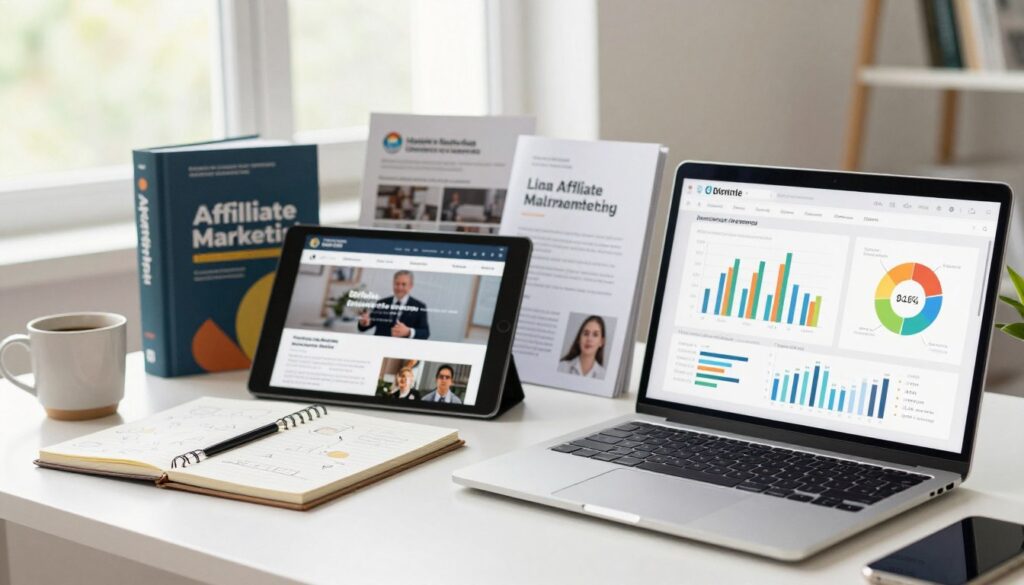
Use what brands already build: banners, text links, and product reviews speed launch times. When you pair those assets with updated tracking links, your content stays accurate and measurable.
Actionable angles: pick problem-solution posts, comparisons, or best-for-use-case lists tailored to your fitness or wellness audience. These formats lift CTR and conversion.
- Request AOVs and conversion snapshots to prioritize high-performing products.
- Work with program managers for custom codes and timed placements during promotional windows.
- Centralize tools for link management, A/B testing, and reporting so you can sharpen performance quickly.
Keep brand quality intact by following messaging guidelines. Choose partners with clear support and a commitment to transparency so you can publish more content with less overhead and better EPC results.
Tapfiliate and Tracking Software: Your Edge in Health Affiliate Marketing
Tracking platforms turn raw clicks into clear signals so you can reward what actually moves the needle.
You get real-time reporting that shows which links, pages, and products boost EPC and long-term value.
Tapfiliate supports variable commission setups and transparent attribution so brands and partners stay aligned.
- You see live dashboards that pinpoint top-performing content and links.
- You set variable commissions to reward seasonal pushes or high-value pages.
- Transparent attribution resolves disputes and protects partner trust.
- Automated workflows handle recruitment, approvals, and payouts so you focus on content and relationships.
| Feature | What it does | Benefit for your brand |
|---|---|---|
| Real-time reporting | Live dashboards and conversion paths | Faster tests and quicker EPC gains |
| Variable commissions | Custom tiers by content or season | Reward top formats and boost performance |
| Transparent attribution | Accurate credit across touchpoints | Fewer disputes, stronger partner ties |
| Integrations & reports | Connect CRM, payout tools, and BI | Scale operations without spreadsheets |
Use these tools to streamline your affiliate approach, protect partner relationships, and scale content that converts in the fitness and wellness space.
Niche-Specific Plays: Yoga, CrossFit, Women’s Fitness, and CBD
Narrow focus often wins. When you target a clear vertical—yoga, CrossFit, women’s fitness, or CBD—you match needs and reduce friction. That makes your links and recommendations feel natural to readers.
Why niche depth boosts trust, CTR, and conversion
Specialization raises credibility. You’ll choose niches where your expertise and audience overlap to lift trust and click-through rates.
Pick well-known partners like Alo Yoga, Yoga International, Sweaty Betty, Athleta, and Verma Farms to anchor trust. These brands attract engaged shoppers and often convert at higher rates.
- Answer specific problems—pose mastery, WOD gear, fit and sizing, CBD dosing—to shorten decisions.
- Use calendars, challenges, and protocol guides to make recommendations feel integral, not promotional.
- Leverage community feedback to refine coverage and improve conversion over time.
Expand carefully. Add adjacent products only when they support your core topic so your niche authority stays strong and your audience keeps clicking.
Content That Converts: From Product Roundups to Reviews and Comparisons
Decision-stage content like head-to-head reviews shortens the path from click to sale. Use reviews and comparisons to answer the specific questions buyers type into search engines.
Build product roundups that cover a broad range of use cases and budgets. That captures both research and purchase intent from your audience.
Write in-depth reviews and side-by-side comparisons. Include clear specs, pros/cons, and who it’s for so readers scan fast and click with confidence.
“Expert quotes from trainers and professionals lift credibility and shorten purchase decisions.”
Integrate influencer perspectives and user-generated content where allowed. Real-world validation helps conversion for fitness and wellness products.
- Match each piece of content to the funnel: guides for awareness, comparisons for consideration, and reviews for transactional intent.
- Standardize templates and QA to keep quality high as you scale coverage across brands and products.
- Use banners, text links, and product reviews provided by top affiliate program partners to speed execution.
| Content Type | Best Use | Key Elements |
|---|---|---|
| Product roundup | Capture broad queries | Range, price tiers, quick CTAs |
| In-depth review | Decision-stage buyers | Specs, pros/cons, tests, expert quotes |
| Head-to-head comparison | Close the sale | Side-by-side specs, verdict, buying recommendation |
Promotional Channels That Drive Sales Now
Promotional channels work like a funnel: some tip the scale for discovery, others close the sale. Use a mix that matches your audience and the buying stage for each product.
SEO and Content
Prioritize search-first content for durable traffic. Create decision-stage pages and roundups that match purchase intent for fitness and wellness products.
Social and Influencers
Deploy short-form videos and influencer collabs to spark discovery. Test creators across platforms to find where your audience responds best.
Email and Segmentation
Segment lists by interest—meal kits, supplements, home workout—to lift CTR and conversions. Use timed pushes around major promo windows.
- Track everything: use tools to attribute sales to the right channel.
- Sync offers: align content and brand assets with seasonal promos for higher impact.
- Maintain brand alignment: use approved creatives from programs and brands to protect trust.
How to Match Programs to Your Audience and Goals
Start by mapping what your readers actually want—then fit offers to those exact needs.
Identify whether your audience are beginners or dedicated enthusiasts. Beginners value simple onboarding and replenishable items that solve one problem fast.
Enthusiasts look for depth: premium gear, specialty blends, and advanced subscriptions that justify higher spend and research time.
Assessing needs: beginners vs. enthusiasts, budget vs. premium, home vs. gym
Map goals to segments: assign offers by intent and price point so each recommendation meets a clear need.
- Beginners: simple product flows, trial offers, and quick wins that reduce friction.
- Enthusiasts: premium items, financing options, and deep-dive content that supports big purchases.
- Home vs. gym: pick compact equipment and apps for home shoppers; commercial-grade items and memberships for gym-focused readers.
Weigh benefits like trials, bundles, and financing to lower barriers on larger buys. Blend evergreen options with seasonal promos to smooth revenue swings.
| Audience | Best Offer Types | Key Benefit |
|---|---|---|
| Beginners | Replenishables, starter kits, trials | Faster conversions, lower churn |
| Enthusiasts | Premium equipment, specialty blends | Higher AOV and loyalty |
| Home shoppers | Compact gear, streaming apps | Convenience and recurring revenue |
Document your selection criteria and score each partner against your goals. Iterate based on analytics and reader feedback so your stack stays aligned and scalable.
Conclusion
Use the sector’s strong growth and available tracking tools to build a repeatable revenue approach. The market size (~$96.7B), high brand adoption (81%), and a 15.9% niche commission average give clear potential when you prioritize the right offers.
Focus on audience fit: mix quick-win items with premium products to balance conversions and revenue. Lean on transparent tracking like Tapfiliate and responsive program managers to sharpen reporting and performance.
Keep your niche tight, protect brand reputation, and standardize testing and refresh cycles. With quality support, the right tools, and a committed approach, you can scale sales and commissions at home or at the gym.
FAQ
What does EPC mean and why does it matter for the programs you promote?
EPC stands for earnings per click. It shows the average revenue you earn each time someone clicks your referral link. You should use EPC to estimate real revenue, compare offers, and prioritize partnerships that fit your audience and content strategy.
How do you evaluate a program’s earning potential?
You check commission rates, average order value (AOV), cookie duration, conversion rates, and product-market fit. Also review brand reputation, available creative assets, and whether the offer includes recurring revenue like subscriptions or autoship.
Which product categories typically deliver the highest EPC?
Categories with high EPC often include meal kits and nutrition subscriptions, premium supplements and wellness blends, sleep tech and smart devices, and luxury curated marketplaces. High-priced items and subscriptions tend to lift EPC more than low-cost consumables.
How important is cookie duration when choosing an offer?
Very important. Longer cookie windows increase the chance a click converts later, especially for higher-AOV purchases. When cookie duration is short, you’ll need stronger on-page persuasion or faster call-to-action tactics to capture sales.
Can recurring commissions really compound earnings?
Yes. Subscriptions, apps, and autoship models pay you over time for a single referral. Prioritize programs with reliable retention and clear recurring rules so lifetime value compounds your initial referral payout.
What tracking tools help maximize your performance?
Use platforms like Tapfiliate, PartnerStack, or Impact for real-time reporting, variable commission management, and transparent partner dashboards. These tools help you optimize links, track creative performance, and scale relationships with influencers and publishers.
Which brands in the list offer strong creative support and affiliate resources?
Many larger brands provide banners, email templates, and product feeds. Examples include Athletic Greens, Thrive Market, and Walgreens. Always request a media kit or promotional assets from the partner manager before you start promoting.
How do you match a program to your audience and goals?
Assess your audience’s needs—beginners vs. enthusiasts, budget vs. premium, home vs. gym—and pick offers that align. If your readers prefer premium items, promote higher-ticket equipment or memberships; for mass audiences, focus on subscriptions and consumables.
What conversion tactics work best for fitness and wellness content?
Product roundups, in-depth reviews, comparison charts, and how-to guides perform well. Combine SEO-led content with social proof, video demos, email funnels, and targeted influencer collaborations to boost CTR and conversion.
Are high-ticket items better than volume-based products?
Both have merits. High-ticket items yield larger per-conversion payouts, improving EPC quickly. Volume products drive steady revenue and can scale with content. A balanced mix of both often gives the healthiest revenue profile.
How do cookie length, AOV, and conversion rate interact to shape EPC?
They form a trio: longer cookies extend conversion windows, higher AOV raises payout per sale, and strong conversion rates turn clicks into purchases. Improving any of these boosts EPC, but optimizing all three yields the best results.
Which promotional channels most reliably drive sales now?
SEO, email marketing, social media, and influencer partnerships remain the top drivers. Paid social and certain affiliate networks can accelerate results, but organic content and targeted email sequences usually deliver the best long-term ROI.
How do niche-specific strategies improve conversion and trust?
Focusing on niches like yoga, CrossFit, women’s fitness, or CBD allows you to create deep, relevant content that builds trust. Niche depth increases click-through rates and conversion because your audience sees you as an authority on those topics.
What should you look for in partner support from brands?
Look for responsive affiliate managers, generous creative assets, clear tracking and reporting, timely payouts, and performance incentives. Good support helps you test angles faster and scale what works.
Are there reliable benchmarks for “high” commission rates today?
Benchmarks vary by category. For supplements and essential oils, 7–25% can be strong. Meal kits and subscriptions often pay flat bounties of – per signup. High-ticket equipment or premium memberships may pay percentage or large flat fees that set them apart.