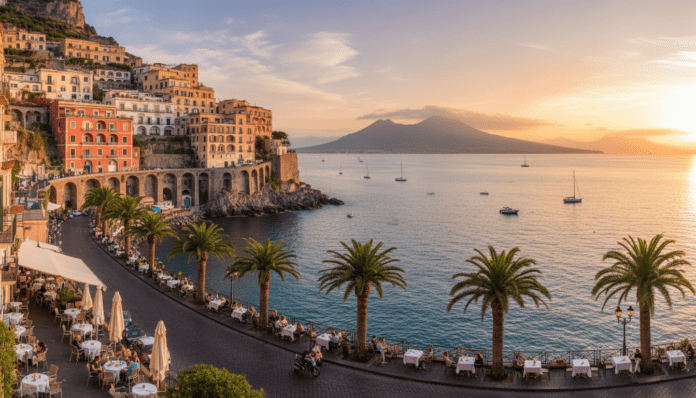
“Football, bloody hell.” That blunt line from Ian St John captures the shock and passion of cup nights, and it fits this Coppa Italia quarterfinal at the Stadio Diego Armando Maradona.
This was a win-or-go-home evening in February 2026, a match that finished 1-1 after 90 minutes and went all the way to spot kicks.
Como advanced 8-7 on penalties and will now meet Inter in the semifinals. Key moments shaped the result: Baturina’s penalty, Vergara’s instant equalizer, and Butez’s decisive stop on Lobotka in the shootout.
The story that follows will cover the full match: tactical pivots, turning points, refereeing debates, standout performers, and post-match reactions.
Expect a quick result summary first, then deeper analysis, a shootout breakdown, and a look at what this means for both clubs going forward. The data and context are presented for readers searching this february 2026 tie.
Key Takeaways
- Quarterfinal at the Diego Armando Maradona ended 1-1 after regulation.
- Como won the shootout 8-7 and advance to face Inter.
- Baturina, Vergara and Butez were decisive names of the night.
- Match report will examine tactics, key incidents, and refereeing debate.
- Later sections break down the shootout and implications for both clubs.
Match result at the Diego Armando Maradona: Como advance after penalties
A dramatic cup night at the Armando Maradona saw the tie decided by penalties following a 1-1 draw.
Full-time score after 90 minutes: 1-1
- Venue: Diego Armando Maradona — Coppa Italia quarterfinal.
- Regulation ended 1-1: Baturina (39′) gave the visitors the lead; Vergara replied seconds into the second half (46′).
Penalty shootout outcome: Como win 8-7
The match went to calci rigore and stretched into sudden-death kicks. After a tense sequence, Jean Butez made the decisive save on Stanislav Lobotka.
Who they will face next
Season consequence: After calci rigore, the visitors advance and sfiderà Inter in the semifinale coppa italia. The next tie is a two-leg semifinal against Inter (coppa italia inter), a major test after a big away night at one of Italy’s most intense stadiums.
| Detail | Result | Key moment |
|---|---|---|
| Venue & Round | Diego Armando Maradona, Quarterfinal | High stakes cup tie |
| Regulation | 1-1 (dopo 1-1) | Baturina 39′ — Vergara 46′ |
| Shootout | 8-7 to visitors (dopo calci rigore) | Butez saved Lobotka — decisive |
| Next round | Semifinale inter | They sfiderà Inter in the two-leg semifinal |
napoli – como: What happened in the Coppa Italia quarterfinal
Under heavy lights at the Maradona, the quarterfinal unfolded as a tense duel that neither side could settle in 90 minutes.
Why this game mattered for Napoli after recent setbacks
The club treated the cup as a clear route back to form. After mixed league results and injuries, the Coppa Italia represented a realistic trophy target and a way to reset momentum.
Napoli tried to dominate possession and force chances. But rotation choices and a tight defensive shape limited clear openings. Over long spells the match felt balanced.
For the visitors, it was a milestone. Reaching a semifinale for the first time in around 40 years transformed this into a historic night on the road at the Maradona.
- The game split into two phases: host control attempts versus growing visiting confidence.
- Small incidents — a foul, a quick equalizer, one saved penalty — decided more than long spells of parity.
- This result changes the bracket: the visitors now face Inter in the next round, a major storyline for the coppa italia.
Rotation calls, refereeing flashpoints and a marathon shootout will be the themes fans and analysts examine next.
Kickoff context: form, rest, and selection choices
The hours before kickoff were shaped more by schedules than by tactics, with one side coming from a swift league test and the other enjoying a long rest.
Napoli’s schedule and rotation factors
Conte made clear the hosts had played three days earlier vs Genoa and finished that game down to ten men. That compressed calendar forced changes.
Rotation meant younger or less-used players saw minutes. Managers often accept short-term risk to protect squad fitness in febbraio 2026.
Como’s preparation edge after time off
The visitors arrived after roughly ten days without a match, a small but tangible advantage in recovery and planning.
Longer rest shows up as crisper pressing, cleaner transitions, and more energy late in matches — all vital when a tie can go to penalties.
“Beyond our current potential,” Conte said, framing limited resources and injuries as constraints on selection.
That comment helps explain why intensity swings and late-game legs varied across the sfida napoli como. The context does not decide a result, but it adds crucial data on why managers chose personnel and how the coppa italia night unfolded.
Starting lineups and key roles that shaped the game
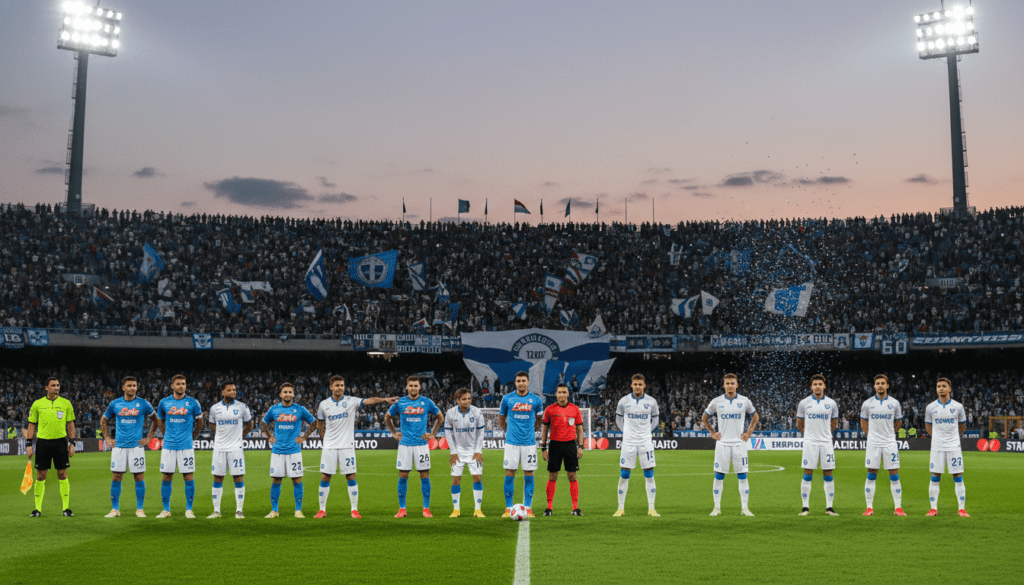
Lineups revealed the battle plan: a compact back three faced a fluid 4-2-3-1 built to press and probe.
Napoli’s setup and defensive spine
Formation (3-4-2-1): Milinkovic-Savic; Beukema, Rrahmani, Juan Jesus; Mazzocchi, Lobotka, Elmas, Olivera; Vergara, Giovane; Hojlund.
The hosts relied on Milinkovic-Savic as the last man behind Juan Jesus and the back line. Lobotka’s role was to shield the defence and recycle possession under pressure.
Como’s structure and attacking drivers
Formation (4-2-3-1): Butez; Smolcic, Ramon, Carlos, Valle; Perrone, Sergi Roberto; Caqueret, Nico Paz, Baturina; Addai.
At the core was Butez as goalkeeper and the creative pull of nico paz in the attacking band. The double pivot sat deeper to secure transitions and protect the difesa como when pressed.
Fabregas’ tactical tweak with Caqueret
cest fabregas surprised by pushing Caqueret high, almost as a connector between midfield and the attack. That move aimed to free Nico Paz and create extra passing angles.
The choices shaped the opening phases. The hosts looked to bypass midfield pressure, while the visitors sought to play through pockets and stretch the left channel.
Those roles later mattered for key moments — goal-line defending from attackers and the decisive influence of both goalkeepers during the shootout. In one instance Milinkovic intuisce an opponent’s run, and another move sent a through ball verso porta that nearly changed the tie.
First half narrative: Como’s confidence grows as Napoli try to control tempo
A sharp tempo set the tone early, with both sides hunting turnovers and testing defenders’ concentration.
High pressing and early rhythm
Both teams started aggressively, pressing high and forcing hurried passes. The game felt ready to swing on a single turnover rather than slow possession.
Napoli’s best moments and Como’s defensive responses
Napoli aimed to avoid pressure on Lobotka by going more direct and switching play wide. That approach created a dangerous corner scramble around the 27th minute.
Como defended instinctively in the box and cleared the danger. Those moments near the limite area warned that the next big incident could be a set-piece or a rigore.
The play down the left that began to tilt the matchup
Como grew in confidence down the left, with Valle pushing forward and forcing Juan Jesus to cover large spaces. At 33′ Juan Jesus tracked back to block a dangerous run.
That left-channel sequence set up pressure that later led to the penalty incident. By half, the initial control attempts from the hosts had slowly given way as the visitors claimed more territory.
| Aspect | Minute | What happened |
|---|---|---|
| Opening tempo | 1-15′ | Aggressive pressing from both sides |
| Corner scramble | 27′ | Napoli threat cleared by Como defenders |
| Left-side pressure | 30-33′ | Valle advanced; Juan Jesus recovered to block |
| Warning moments | 35-40′ | Actions near the limite area hinted at a possible rigore |
The breakthrough: Baturina’s penalty gives Como the lead
A quick attack down the left ended with a cross, a clash in the area and a decisive referee signal.
The incident that led to the spot kick
The sequence began in the 36th minute when Valle whipped a low delivery aimed at Smolcic. Smolcic timed his run to meet the ball inside the box.
Olivera challenged and contacted Smolcic as the cross arrived. The referee pointed to the spot, ruling the contact sufficient for a rigore.
- Valle: the left-sided delivery that started the action.
- Smolcic: the target inside the area.
- Olivera: the defender judged to have fouled the attacker.
Baturina’s finish and Milinkovic-Savic’s read
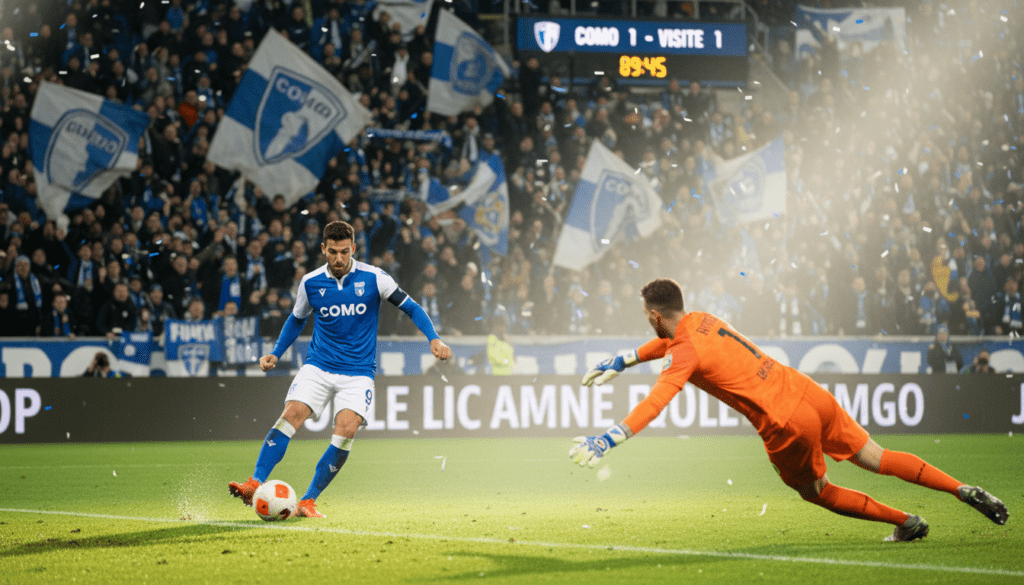
At 39′ Baturina stepped up and struck from the undici metri. His technique was calm and precise under a hostile crowd.
Milinkovic intuisce the chosen side but could not keep the shot out. The rigore trasformato made it 0-1 and counted as the opening gol of the tie.
The goal changed the match plan. The visitors grew compact and selective in possession. The hosts had to chase, altering the rhythm and giving the away side a real shot at a historic como semifinale.
Second half lightning start: Vergara makes it 1-1 within seconds
The crowd had barely settled when a perfect line-breaking pass sent Vergara clean through on goal. The moment arrived at 46′ and produced an instant equalizer that changed the night’s tone.
The passing move that opened Como’s back line
How the sequence unfolded
Quick circulation moved the ball from back to front. A sharp diagonal cut freed space behind the defensive line.
The line-breaking ball found Vergara racing into the channel. He attacked the gap with pace and intent, receiving the pass verso porta and slotting home the gol.
Why the goal shifted momentum at the Diego Armando
The psychological swing and tactical ripple
An equalizer inside pochi secondi of the restart is rare and heavy. The stadium erupted; the hosts surged forward with belief.
- Vergara’s calm finish left the goalkeeper wrong-footed and levelled the tie dopo 1-1.
- Napoli Como now faced a new tactical choice: press with confidence or regroup and protect shape.
- Como needed to reset emotionally while the home crowd grew louder and the tension rose.
The instant goal set the stage for a tighter second half, with refereeing decisions and late drama becoming even more decisive.
Key refereeing moments and rising tension under Manganiello
A single contentious decision near the 50th minute pushed the match into a new, tense register.
Referee team: arbitro manganiello (Pinerolo) led the crew for the quarterfinal night.
The debated second-yellow incident
Ramon had already been booked just before halftime. Around 50′ he clashed near the edge of the area and Napoli immediately appealed for a secondo giallo and a sending-off.
Manganiello opted not to show the secondo giallo. The decision kept Como’s defensive plan intact and kept eleven men on the pitch.
How match management changed the temperature
The tie was level and the stadium was loud. Every 50/50 challenge felt bigger and players reacted more sharply. That amplified the atmosphere and the pace of confrontations.
Conte later touched on broader officiating concerns this season, but he also conceded the visitors earned the result on the night. Fabregas eventually substituted Ramon to protect the shape rather than rely on another card.
| Item | Detail | Effect |
|---|---|---|
| Referee | arbitro manganiello (Pinerolo) | Controlled key interventions |
| Controversy | Appeal for secondo giallo on Ramon (~50′) | Card not shown; Como stayed compact |
| Match context | Tied quarterfinal; prior rigore set tone | Higher tension; fouls more contested |
| Aftermath | Substitution to manage card risk | Defensive heroics became decisive |
Game-changing saves and last-ditch defending in regulation time
Late in regulation the game hinged on a pair of frantic defensive actions that changed the match’s trajectory.
Around the 66th minute, a furious Napoli attack left Butez beaten and the ball rolling toward goal. nico paz was first to react and cleared off the line, removing what looked like a certain gol verso porta.
The danger did not end there. A second blow came in the same scramble when sergi roberto threw his body into the mix and hooked the ball away under pressure. That double stand prevented a match-defining moment in a knockout tie.
Later, at 83′, Milinkovic-Savic produced a crucial stop to deny Vojvoda and keep the score level. That save forced extra drama rather than a late defeat.
Throughout those sequences, juan jesus helped stabilise recovery phases, sweeping up loose balls and buying time for his team to reset.
- Two-stage defence: line clearance by nico paz followed by a chaotic intervention from sergi roberto.
- Why it mattered: both actions were functionally the same as scoring prevention in a cup tie.
- Outcome: Milinkovic-Savic’s late save kept penalties on the table and forced coaching shifts from both benches.
Substitutions and tactical adjustments: Conte vs Fabregas
Coaches reshaped the battlefield from the bench after halftime, trading fresh legs for tactical intent.
Conte’s attacking changes
At 60′ the home coach sent on Spinazzola and Politano to widen play and force more 1v1s down the left. The aim was clear: add speed and crossing threat to break a compact block.
Alisson Santos came on in a high-pressure moment. The young defender had to help press from the front and support overlapping runs while the team chased a decisive goal.
Later Lukaku and Gutierrez arrived to boost directness and aerial power in the final third.
Fabregas’ balancing act
cesc fabregas reacted early at 53′, replacing Ramon with Kempf to avoid a second card and swapping Caqueret for Douvikas to protect structure.
He then introduced Da Cunha and Rodriguez to shore up midfield and keep shape against waves of pressure.
Late defensive shift and the push to reach penalties
The visitors traded some attacking continuity for compactness, effectively making the game more penalty-friendly.
In the final minutes both sides had chances, but the adjustments held. The tie stayed level dopo calci and set up a tense route to the semifinale coppa in the next round of the coppa italia.
Penalties: the full shootout story that decided Napoli-Como
The sequence from the penalty spot became its own drama, a rhythmic exchange of precision and pressure that stretched into sudden-death.
Early makes set the tone: Da Cunha opened with a calm conversion and Politano matched it, so the contest felt level and high quality from the first pair of kicks. Douvikas then scored to keep momentum moving.
First turning point — Lukaku’s miss: His effort sailed wide and it immediately shifted the weight onto the remaining takers. That miss was the first real swing in a long shootout and raised the tension for the home side.
Goalkeeper drama: Milinkovic-Savic produced a strong save to deny Perrone and later stepped up to slot his own undici metri with composure. That rare goalkeeper storyline gave the hosts life and a talking point during the calci rigore.
Calm finishers held steady: Alisson Santos and Elmas hit composed strikes, while Diego Carlos and others for the visitors answered in kind. The quality of each rigore under pressure kept the sequence gripping.
The decisive moment came when Jean Butez produced a late, decisive save on Lobotka. That stop sealed an 8-7 outcome dopo calci rigore and sent the visitors into the semifinale, the end of a dramatic, nerve-testing series of undici metri.
Standout performers and pivotal contributions
A single save can rewrite a night; this quarterfinal turned on one such moment. Individual efforts, not long spells of possession, swung the tie after the match settled into a 1-1 rhythm.
Jean Butez as shootout hero
Butez became the decisive figure when it mattered most. His late save on Lobotka ended the marathon from the spot and sent the visitors into the semifinal.
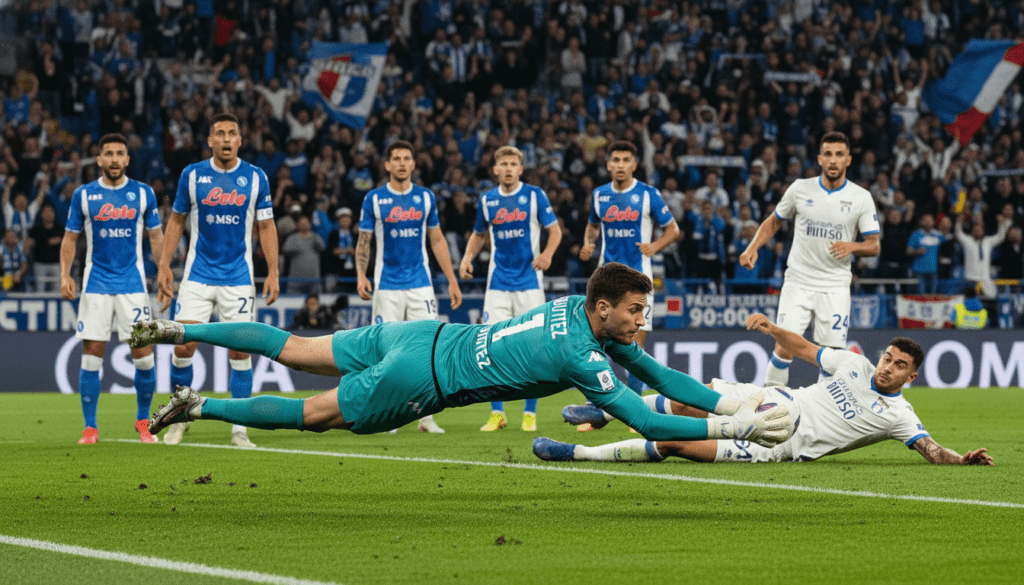
That single intervention carried more weight than any one attack during 90 minutes. In cup football, moments like this define who advances.
Nico Paz’s two-way impact
Nico Paz influenced the game offensively and defensively. He helped pull strings in the attacking third while also producing a goal-line clearance that kept the score level in regulation.
His dual contributions underlined why two-way players matter most in knockout ties.
Juan Jesus and Sergi Roberto: recovery and steadiness
Juan Jesus repeatedly tracked runners down the left and made crucial recovery interventions versus Valle. Those actions prevented clean chances and bought time for his side to reorganize.
Sergi Roberto offered calm in the scramble moments, throwing his body into challenges and later speaking about unity in the dressing room. His presence steadied the team during the second-half siege.
In short: the tie hung on individual moments — a match-winning save, a goal-line clearance, and key recovery defending — all of which mattered especially dopo 1-1 and across the decisive rigore sequence.
Post-match reactions: Conte’s frustration and Fabregas’ pride
Post-match press revealed more than tactics — it exposed fatigue, fierce pride, and sharp opinions from both benches.
Conte on injuries, resources, and the state of officiating
What he said: Conte emphasised mounting injuries and thin resources, and voiced frustration at recurring refereeing issues across the season.
What he meant: The coach framed the loss as partly shaped by squad limits and calendar strain, while also questioning consistency in decisions that affect tight knockout ties.
Conte noted Como had more rest and that recovery gaps showed. His tone mixed complaint with acceptance of the on-field facts.
Fabregas on mindset before penalties and staying grounded
cesc fabregas celebrated a historic night but warned the squad must quickly refocus on league duties.
He explained the Ramon substitution was tactical — removing a player at risk of a second yellow rather than gambling on ten men. Fabregas urged belief during the shootout and said penalties should be faced with calm, not fear.
Sergi Roberto and Butez on a “family” win and handling pressure
sergi roberto described the group as a family, admitting nerves but praising unity under pressure.
“We felt it as one unit — nerves were real, but that bond helped us through the kicks.”
Butez added he gave everything for the decisive save and that the team managed penalties with belief. The visitors said they will try to enjoy the upcoming semifinal rather than approach it with fear, seeing the semifinale coppa as a reward and a test.
What the result means for Coppa Italia: Como-Inter semifinal set
The result reshapes this season’s cup narrative: a surprise challenger now faces a household heavyweight.
Bracket consequence: With the win, the visitors advance to a high-profile tie — a Como-Inter meeting in the next round. The competition now features an established power versus a team on a rare deep run, changing expectations for the semifinale coppa italia.
Why this marks a milestone decades later
Reaching the como semifinale after roughly 40 years makes this a landmark moment for the club and its supporters.
It rewrites local history and energizes a fan base unused to late-stage cup nights. The scale of the achievement will be felt in club culture and media attention across Italy.
What the result signals for the visiting project
Under Fabregas, the team showed organisation, resilience, and calm in pressure moments. This performance suggests the side can manage big occasions away from home and handle the tactical demands of a tougher opponent in the inter semifinale.
What the elimination costs the hosts and what remains
For the hosts, the exit removes a direct route to a finale coppa italia and hurts morale. The loss also narrows realistic trophy paths this season.
Still, domestic priorities remain: recalibrate targets, protect players from an injury list, and keep focus on league objectives. The trophy math is simple — one path closed, another team keeps the dream alive.
Quick summary
- Como-Inter is the next tie: a classic underdog vs heavyweight storyline.
- Historic return to the como semifinale after four decades.
- Hosts lose a key avenue to the finale coppa italia but must regroup for league duties.
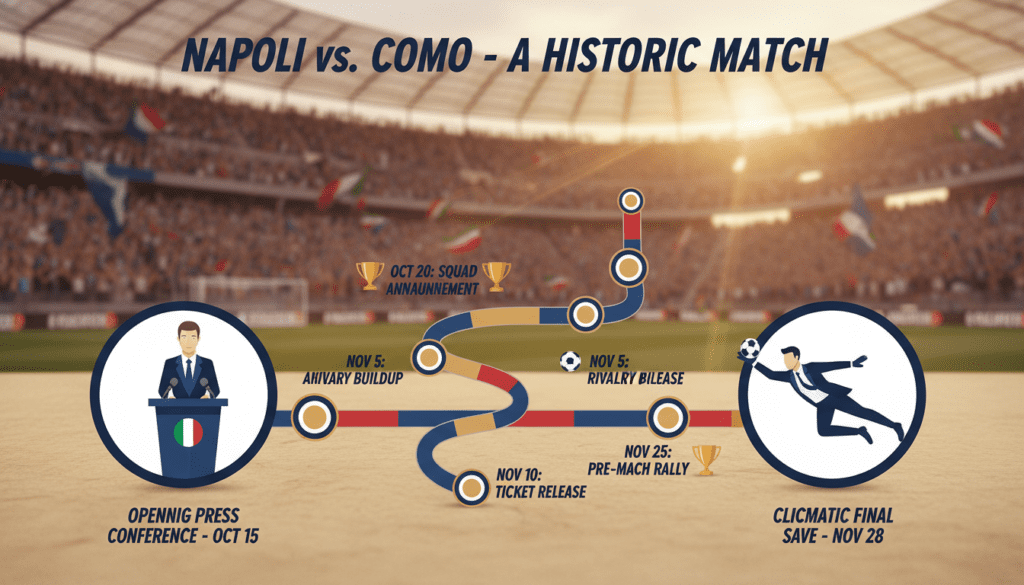
Key moments timeline recap: from the opening press to the final save
A compact timeline helps untangle the night’s defining moments, from early pressing to the last penalty stop.
Como’s penalty lead before halftime
39′ — A cross into the box led to a disputed contact and a clear rigore call.
Baturina stepped up and the rigore trasformato made it 0-1, shifting the match state and forcing the hosts to chase.
Napoli’s instant equalizer after the break
46′ — Within pochi secondi of the restart a line-breaking pass found Vergara.
The finish was calm and the gol levelled the tie, swinging momentum back into a tense equilibrium.
The late chances that nearly ended it before penalties
~66′ — A goal-line clearance by Nico Paz, then Sergi Roberto’s scramble, denied a certain goal and kept the score level.
83′ — Milinkovic-Savic produced a big save on Vojvoda that forced extra time rather than defeat.
The shootout ending on the Lobotka attempt
The calci rigore sequence stretched deep into sudden-death. Both keepers and takers held nerve through many kicks.
Final twist — Jean Butez saved Lobotka’s spot kick and sealed an 8-7 scoreline dopo calci rigore, sending the visitors into the semifinale.
- 39′ — Baturina converts the penalty.
- 46′ — Vergara equalises a few seconds after kickoff.
- 66′ — Goal-line clearance and scramble defending preserve parity.
- 83′ — Milinkovic-Savic keeps it alive with a crucial save.
- Shootout — Butez denies Lobotka; final 8-7 after the calci rigore.
Outcome: The visiting side advance to the semifinale, while the hosts exit despite pushing the tie to its limit.
Conclusion
The evening turned into a test of nerve that only the shootout could settle.
napoli como finished 1-1 after 90 minutes and the visitors advanced 8-7 on penalties when Jean Butez saved Lobotka. That single stop ended a marathon sequence and decided a historic cup night.
The match showed balance: the hosts created chances and swung momentum, while the visitors replied with resilience, structure and key defensive moments that forced extra drama.
As a result, Como will meet Inter in the Coppa Italia semifinale. For Napoli, the exit highlights squad limits and recovery priorities. For the visitors, it is a rare, composed step toward a high-profile semifinale.
Next up: a classic underdog-versus-powerframe in the semifinal.
FAQ
What was the final result at the Diego Armando Maradona after penalties?
The match finished 1-1 after 90 minutes. Como won the penalty shootout 8-7 to advance to the Coppa Italia semifinals.
Who will Como face next in the Coppa Italia?
Como will face Inter in the Coppa Italia semifinals.
Why did this quarterfinal matter for the home side after recent setbacks?
The tie represented a chance to reset amid a difficult run of form and injuries. A cup run offered momentum and a way to protect season objectives despite league pressure.
Why was this described as a “historic night” for Como?
Advancing past a top opponent at the Maradona and reaching a semifinal against Inter marked a rare achievement that returned the club to the national spotlight.
How did schedule and rotation influence the starting selections?
The home team rotated to manage fatigue and injuries, while the visitors benefited from extra rest. Those choices shaped midfield balance and defensive stability early on.
What edge did Como gain from extra preparation time?
Additional rest helped Como sharpen set plays and pressing patterns, allowing them to start confidently and exploit moments when the opposition looked stretched.
How was the home side set up tactically before the game?
The formation placed a deep midfielder behind a back line led by Juan Jesus, aiming to shield the defense and build through controlled possession.
What was Como’s starting setup and key attacking outlet?
Jean Butez started in goal, with Nico Paz playing a crucial role in the attacking band, linking play and creating space for forwards.
How did Cesc Fàbregas deploy Caqueret and other support players?
Fàbregas used Caqueret to add stability in midfield, providing cover and service to the front line while allowing creative players like Nico Paz to roam.
What defined the first half as Como grew in confidence?
High pressing and early intensity set the tone. Both teams started aggressively, but Como’s organization and defensive responses increasingly frustrated the hosts’ control attempts.
What were Napoli’s best moments before the break?
The hosts managed pockets of possession and created a few promising chances, but Como’s defensive blocks and Butez’s presence kept the score level until the spot decision.
Which play down the left tilted the matchup before halftime?
A sustained left-side attack shifted defensive attention and opened channels that ultimately contributed to the foul leading to the penalty.
What incident produced the penalty that put Como ahead?
A defensive foul in the box led to the spot kick, awarded after a VAR check and referee consultation about the challenge inside the area.
Who took and scored the penalty for Como?
Baturina stepped up and converted the penalty, sending the keeper the wrong way and giving his team the lead.
How did the equalizer come so early in the second half?
An immediate passing move exploited a momentary defensive disorganization, and Vergara finished clinically within seconds of the restart to make it 1-1.
Why did that instant goal change momentum at the stadium?
The quick reply lifted the visitors’ belief and dampened the hosts’ advantage, altering urgency and forcing tactical tweaks from both benches.
Which refereeing decisions by Manganiello drew the most attention?
The contentious second-yellow incident and other card decisions prompted protests and shaped how both teams managed aggression as the match heated up.
How did match management affect player behavior late in the game?
Strict enforcement of cautions limited reckless challenges and increased tactical fouls, raising tensions but also curbing some physicality.
Who made the crucial defensive interventions in the final minutes?
Nico Paz produced a goal-line clearance in a scramble, Sergi Roberto helped organize chaos in front of goal, and the keeper pulled off a huge late stop to keep the tie alive.
What substitutions did Conte and Fàbregas make to change the game?
The home manager responded with attacking reinforcements like Politano, Spinazzola, Alisson Santos, and Lukaku. Fàbregas focused on balancing risk with structure to protect the lead and manage cards.
How did the penalty shootout unfold and which moments mattered most?
Early successful kicks set the tone. Lukaku missed a key spot attempt; both keepers played pivotal roles, with Milinkovic-Savic saving a shot and later converting his own kick. The shootout swung on a late save by Butez on Lobotka that sent Como through.
Who stood out individually for their impact on the result?
Jean Butez emerged as the shootout hero, Nico Paz influenced both ends of the pitch, and Juan Jesus delivered important recovery plays when needed.
What were Conte’s and Fàbregas’ main post-match messages?
The home coach voiced frustration over injuries and officiating while stressing squad limits. Fàbregas praised the team’s focus before penalties and highlighted collective belief in the result.
What does this elimination mean for the home side’s season?
Exiting the cup removes one chance at silverware, increases pressure in the league, but also allows focus on domestic priorities and player recovery.
Why is the Como semifinal against Inter historically significant?
Reaching a semifinal against one of the country’s giants marks a rare high point and offers the smaller club a major showcase and financial boost.
Can you recap the key moments leading to the penalty shootout?
Como led via a first-half penalty, the hosts equalized seconds into the second half, late chances and big saves kept the score level, and the tie was ultimately decided by an intense shootout ending on Lobotka’s missed attempt.